
Bell-shaped flowers can add a soft, storybook feel to any garden. Their drooping blooms and delicate shapes stand out in flower beds, along walkways, and even in simple patio pots. Some bring bright color while others have a more subtle look, making it easy to mix them into almost any garden style.
One of the best things about these flowers is the variety. You can find tall ones that fill empty corners, smaller blooms perfect for borders, and types that flower during different parts of the year. If you want a garden that feels a little more peaceful and eye-catching, these beautiful bell-shaped flowers are worth adding to your space.
Virginia Bluebells
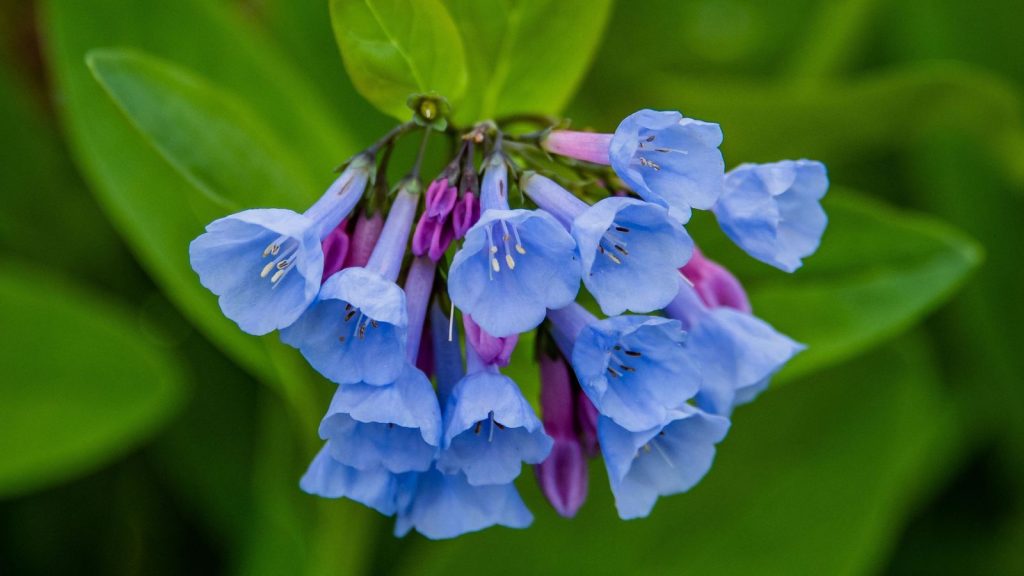
Native to the Eastern U.S., these plants feature pale green leaves and stalks of tubular blue flowers, transitioning from pink to clear blue before going dormant. They naturalize well, creating breathtaking drifts of color in spring.
Bellwort

Bellwort is a charming spring native wildflower. Its flowers are nodding and bell-shaped, featuring long yellow petals. Bellwort thrives in shaded areas, making it a lovely addition to any shaded garden. Zones 4-9
Fritillaries

Fritillaries, with their unique bell-shaped and checkered patterned flowers, thrive in cool, well-drained soil and partial shade. They are ideal for woodland gardens or other shaded spots and are noted for their ability to deter squirrels and other rodents. Although gardeners often grow Fritillaria imperialis as an annual, these bulbs can rebloom as perennials under the right conditions.
Foxglove

has tall spikes of bell-shaped flowers, perfect for adding height to shaded gardens. It blooms from late spring to early summer and is suitable for Zones 4-10.
Coral Bells (Heuchera spp.)

Coral bells are a low-growing perennial plant that produces mounds of colorful leaves and delicate spikes of bell-shaped flowers that attract pollinating insects. This hardy plant rarely suffers from disease and grows best in shaded woodland gardens.
Snowdrop

Snowdrops thrive in clay soil if it is not too compacted and well-drained. They bloom in late winter and present delicate . Snowdrops perform well in partially shaded areas.
Beardtongue

Also known as Penstemon, this plant produces showy, long-lasting flowers with a distinctive pollen-free stamen. It thrives in poor, rocky soils with good drainage and full sun and requires weekly watering in summer. It can grow up to 4 feet high and USDA hardiness zones range between 3 and 9.
Weigela

This fast-growing shrub, reaching up to 6 feet, produces pink to red flowers that attract pollinators. It thrives in full sun and clay soil.
Hyacinth

With care, you’ll enjoy beautiful and fragrant hyacinth blooms in spring. They can be grown indoors by forcing the bulbs or planted outdoors in well-drained soil. Available in various colors, from pink to blue to white, they add a splash of color and a sweet scent to gardens and indoor settings alike.
Bellflower

boast beautiful bell-shaped flowers in shades of blue, purple, and white. They’re perfect for adding a splash of color to sunny borders and with their nectar-rich blooms.
Golden Columbine (Aquilegia Chrysantha)

is a perennial with bright flowers contrasting against dark, clover-shaped leaves. Available in various colors, including two-tone, its unique bell-shaped flowers with five spurs catch the eye. Ideal for slopes, ledges, or open garden spaces, adds beauty, attracts wildlife, and deters deer.
Daffodil (Narcissus)

Daffodils feature trumpet-shaped blooms consisting of a central cup surrounded by petals. These flowers are easy to care for and will spread and increase in number over time. They thrive in full to partial sunlight and require well-drained soil. Zones 3 to 8.
Lungwort (Pulmonaria)

Lungwort is a deer-resistant, shade-loving perennial that blooms in early spring. The plant’s textured, hairy leaves deter deer, making it ideal for enhancing shady areas of the garden with minimal risk of deer damage.
Morning Glory

Morning Glory vines are famous for their large, trumpet-shaped blue flowers that open each morning and close in the afternoon. They require full sun, well-drained soil, and regular watering. These vines are typically annual but may be perennial in warmer climates. Plant for a dynamic, daily display of vibrant blooms.


