
One of the nice things about summer is the delicious fruits and vegetables that have gathered warm sunlight. And the tomatoes we buy in the supermarket definitely cannot be compared with homemade products that have a rich taste and valuable vitamins. Everyone wants the best tomato: firm, juicy, sweet, spicy and flawless. If you also want the vegetables to grow tastier, bigger and larger, you need to choose the best varieties, plant them at the right time and anticipate problems before they arise. Here are the secrets of growing a good crop of healthy tomatoes at home that will help you get tastier, more and more vegetables.
1st floor
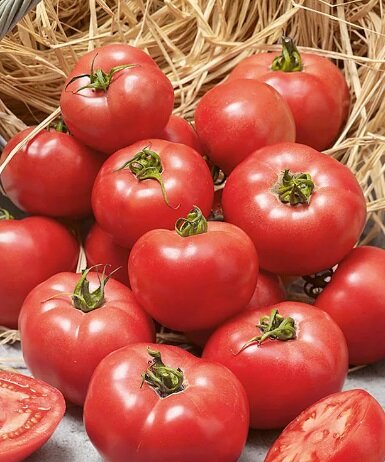
Tomatoes thrive best in rich, well-drained, slightly acidic soil with a pH of 6.5 to 6.8. Using a pH meter will help you determine if you need to add anything to the soil to adjust its performance. If the soil is more acidic, add some dolomite lime, if it is too alkaline, use sulfur or organic compost.
These plants grow well when planted deep. You can remove the lowest leaves to cover most of the stem with soil. When tomatoes are planted deep, they grow healthier and stronger. Alternatively, you can add a mixture of soil and compost or a handful of Epsom salts to the planting holes to encourage growth.
2. Nutrition and care
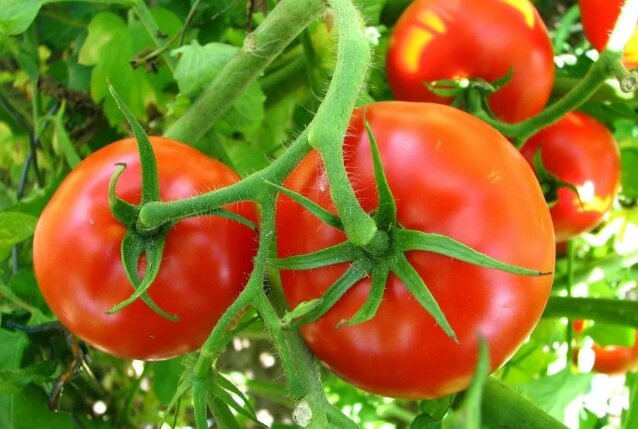
Mulching (covering) the soil with natural materials helps retain moisture, prevent weeds and balance the temperature. You can use leaves, grass clippings, straw, pine bark or other types of limited mulch, which not only protects the soil but also nourishes it as it gradually decomposes. It is good if you are planting tomatoes, and the layer should be about 5 centimeters thick to ensure good insulation.
Intermittent fertilization also helps maintain optimal tomato health. Some of the natural products you can use are eggshells and ground coffee. Save the sediment from your morning coffee and once it cools, spread it on the soil around the roots. Apply every 1-2 weeks to enrich the soil with nitrogen. Crushed eggshells, in turn, load it with calcium and also spread around the roots. When they start to break down, you can add a new layer.
For “sweetness”, experienced gardeners recommend feeding fruit plants with a small amount of salt and ash (1 tablespoon of salt and 1 teaspoon of ash per 10 liters of water). Pour only 1/2 liter of this solution under each plant. For the same purpose, you can use a little sea water.
Epsom salt is rich in magnesium, which gives good results when growing tomatoes, peppers and flowers in the garden. To nourish the soil, add 1 teaspoon of salt per 3.5 liters of water and spray the soil around the plants (without watering the leaves). Use this method every 1-2 weeks.
3. Water and proper irrigation
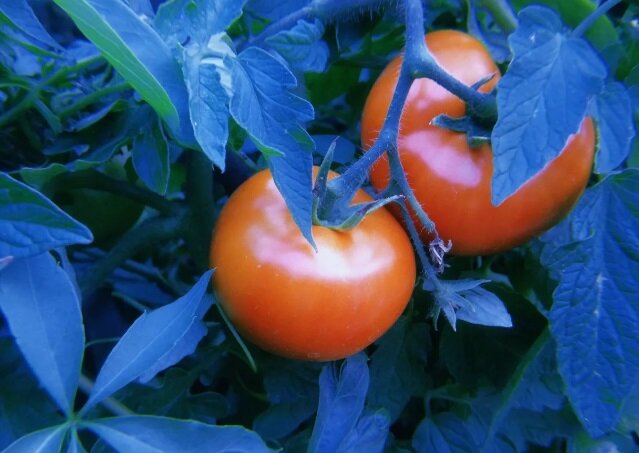
Soil moisture of tomatoes should be high. For best results, you can water them not often, but abundantly. Watering is undesirable – excessive moisture leads to watery tomatoes. Avoid watering with cold water, especially if the air temperature is very high. Use warm water in the sun and add some natural fertilizer (compost). To moisten the roots well, you can lay a vertical pipe in the soil to supply water to the lower layers of the root system.
4. Heat and light
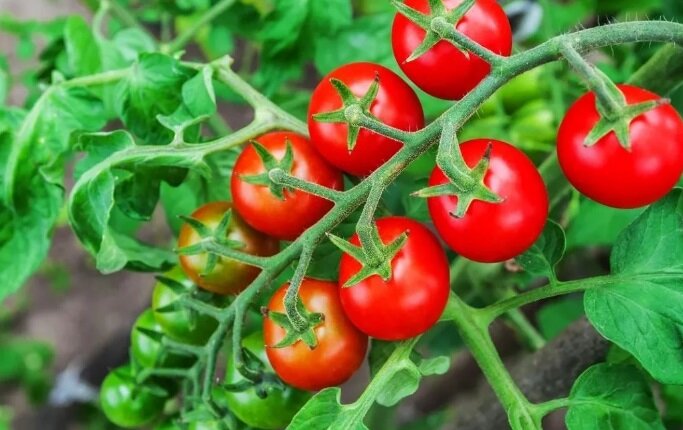
Plant tomatoes where they will receive plenty of light and be protected from cold winds. They also love heat and will not begin to grow until soil and air temperatures are high enough. You can speed up the warming of the soil by covering the planting area with black or red nylon for a few weeks before you start planting. This extra heat will help the vegetables to grow sooner.
5. Pruning and ripening
In order for the plant to concentrate its energy on feeding the fruit, it is necessary to remove small shoots and leaves. Regularly break off branches that depart from the main stem and do not bear fruit. Deep watering also has important benefits for tomatoes.
Tomatoes should be left to ripen whole. The longer they stay on the plant, the more nutrients they will get from it, so wait until they are fully ripe before picking them.
tomatoes while cooking
Tomatoes are low-calorie fruit vegetables used in cooking to make some of the most delicious foods we use every day – sauces, ketchup, lyutenitsa and more. Added to vegetable salads, soups and dishes, they give them their characteristic aroma and texture. The taste and quality of tomatoes depend on the ratio of sugar and acid. The less acid and more sugar they contain, the tastier they are. Most of the acids are in the juice around the seeds, so the tastiest tomatoes are the densest and have the fewest seeds.


