
Bell peppers are a garden favorite, offering vibrant colors and a crisp, sweet flavor that enhances countless dishes.
Growing your own bell peppers is incredibly rewarding, especially when you see those lush plants laden with juicy, colorful fruits.
Whether you’re a seasoned gardener or just starting out, planting bell peppers is an exciting endeavor that can yield bountiful harvests.
How to Grow Bell Peppers
Step 1: Preparation
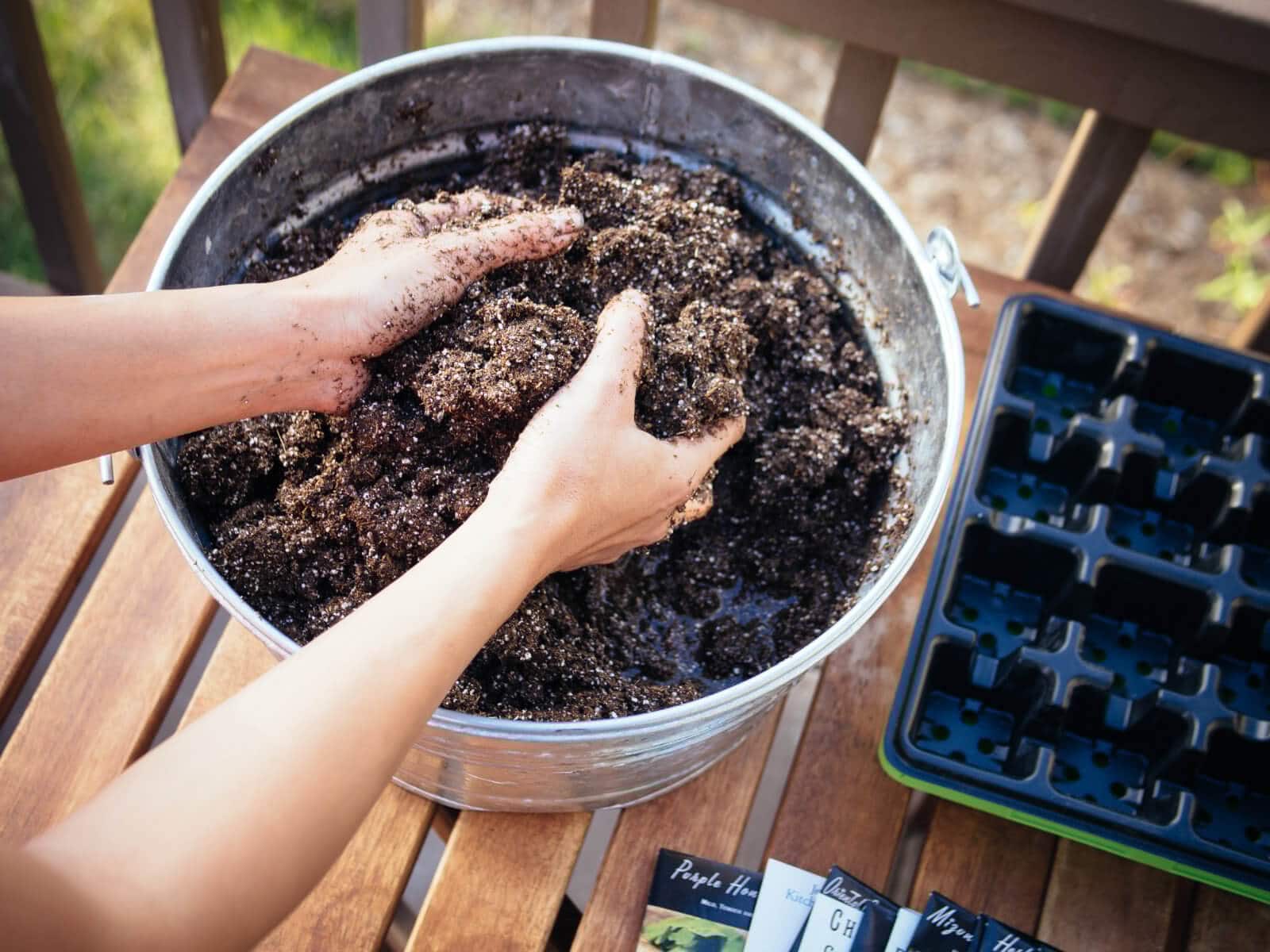
First things first, you need to prepare well-draining and rich soil in organic matter.
If your soil isn’t up to par, don’t worry! You can always mix in some compost or well-rotted manure to give it a boost.
Step 2: Starting Seeds Indoors
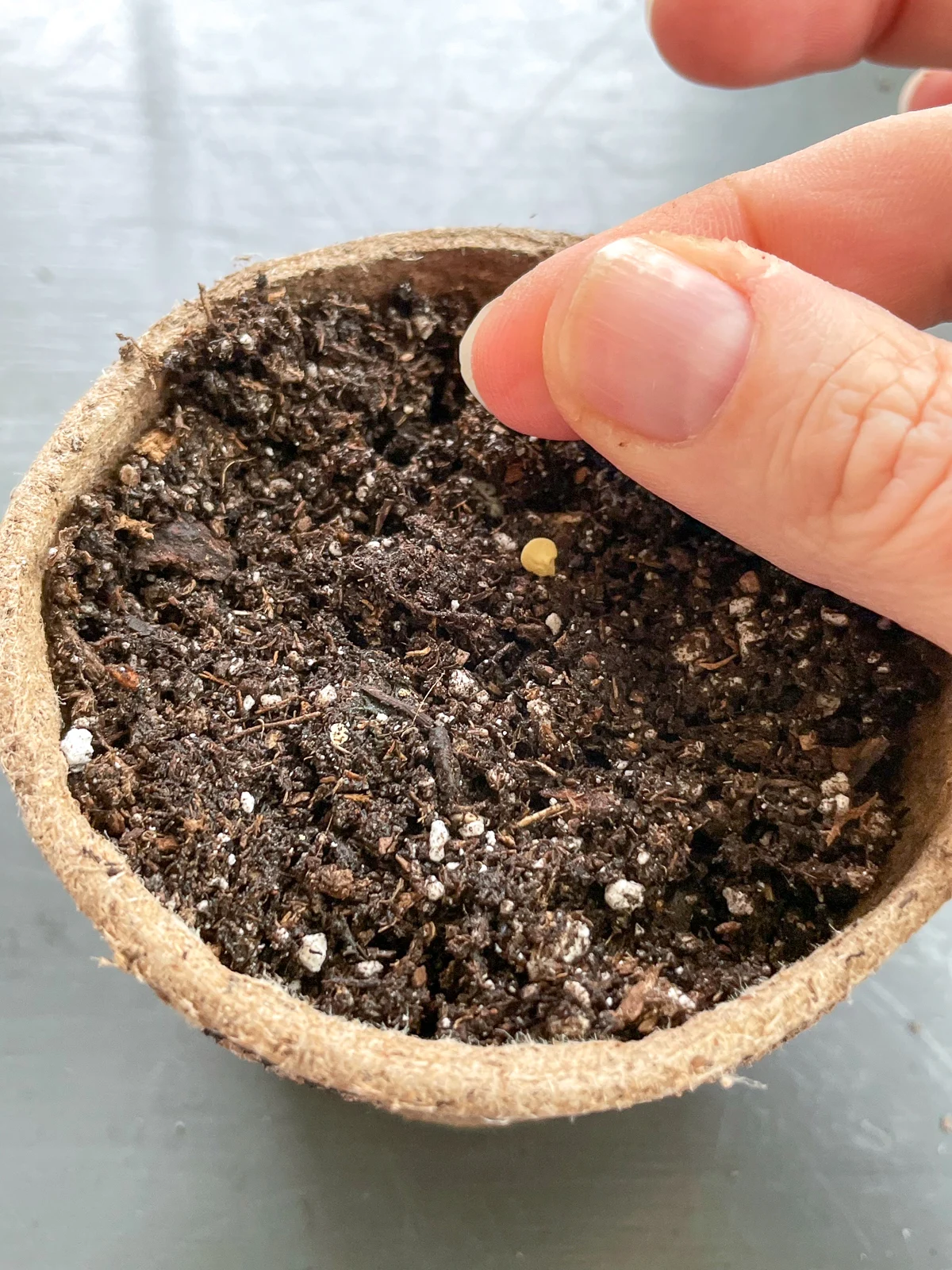
You can start your bell pepper seeds indoors about 8-10 weeks before the last frost date.
You should use a seed-starting mix and plant the seeds about 1/4 inch deep, then keep the soil moist but not waterlogged.
A humidity dome can help keep the moisture in, but if you don’t have one, a simple plastic wrap will do the trick.
After that, you only need to place the seed trays in a warm spot, around 70-80°F.
Step 3: Hardening off Plants
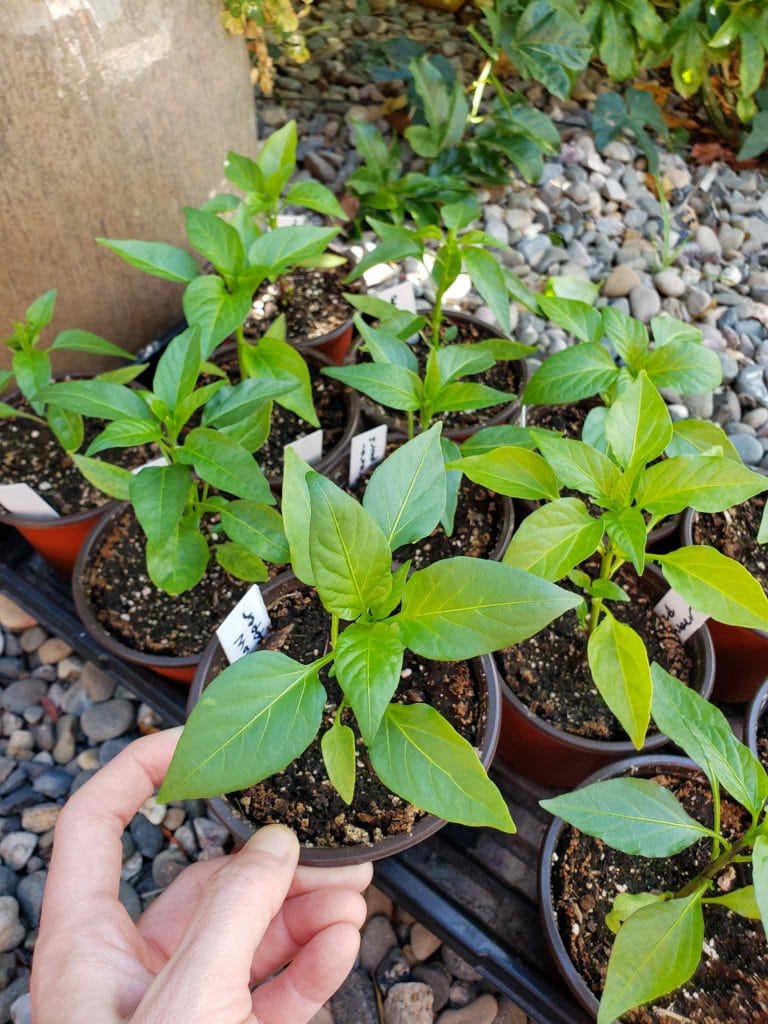
Once your seedlings have sprouted and grown a few inches tall, it’s time to toughen them up. This process is called hardening off.
About two weeks before you plan to transplant them outside, start placing the seedlings outdoors for a few hours each day.
This step is crucial to prevent transplant shock.
Step 4: Transplanting
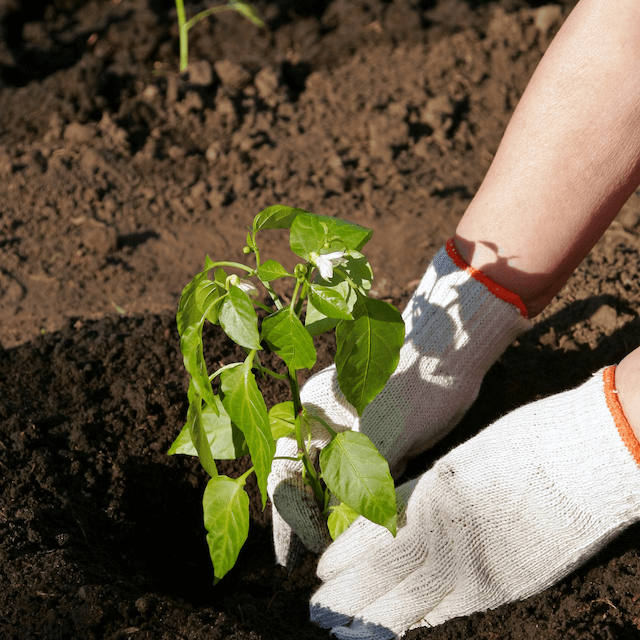
When the danger of frost has passed and your seedlings are about 4-6 inches tall, it’s time to move them to their permanent home.
Now, dig holes in your prepared garden bed, spaced about 18-24 inches apart.
Then, carefully remove the seedlings from their pots, trying not to disturb the roots too much, and place them in the holes.
Step 5: Care for Bell Pepper Plants
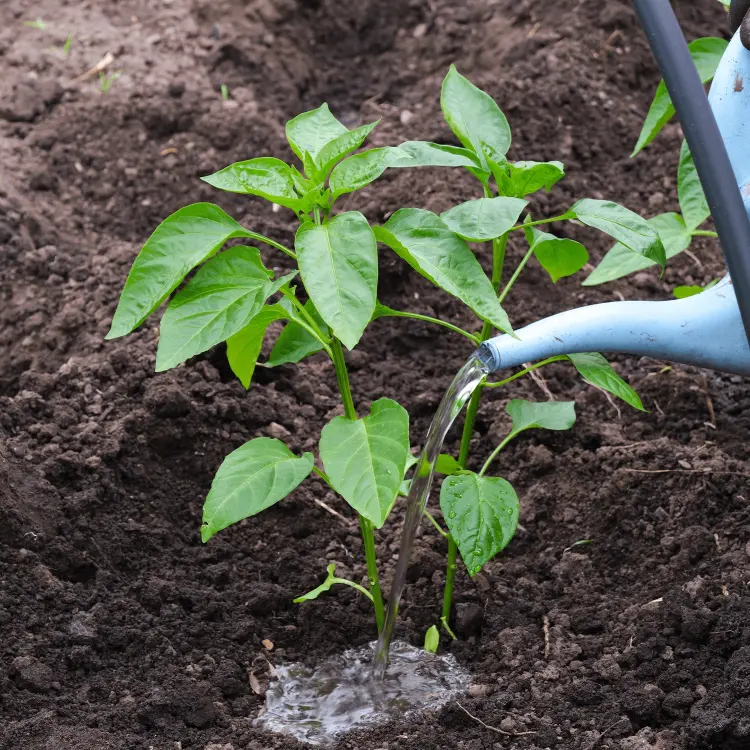
You should water them regularly, aiming for about 1-2 inches of water per week. Be consistent with your watering to avoid issues like blossom-end rot.
In addition, mulching around the plants can help retain moisture and keep weeds at bay.
As the plants grow, you might need to stake them to keep them upright.
And don’t forget to pinch out the growing tips when the plants are about 8 inches tall to encourage bushier growth and more fruit production.
Step 6: Harvest and Preservation Bell Peppers
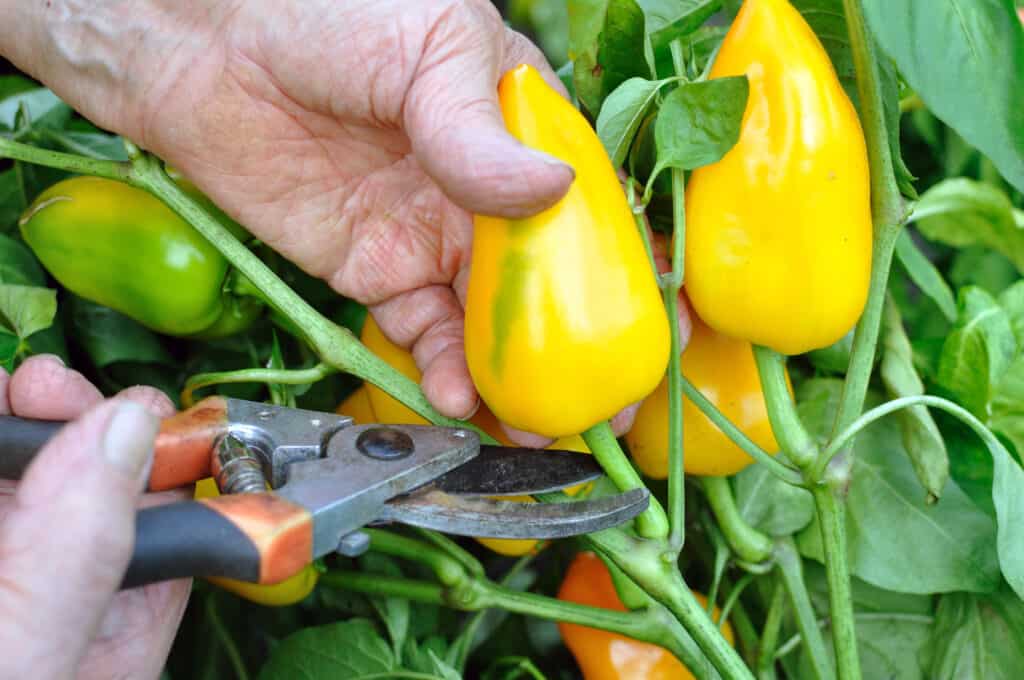
The longer you leave bell peppers on the plant, the sweeter they become and the more vitamin C they pack.
If you want those extra nutrients, let them stay on the vine a bit longer.
When harvesting, use sharp scissors or pruners to snip them off. Store bell peppers in the fridge for up to 10 days in a plastic bag.
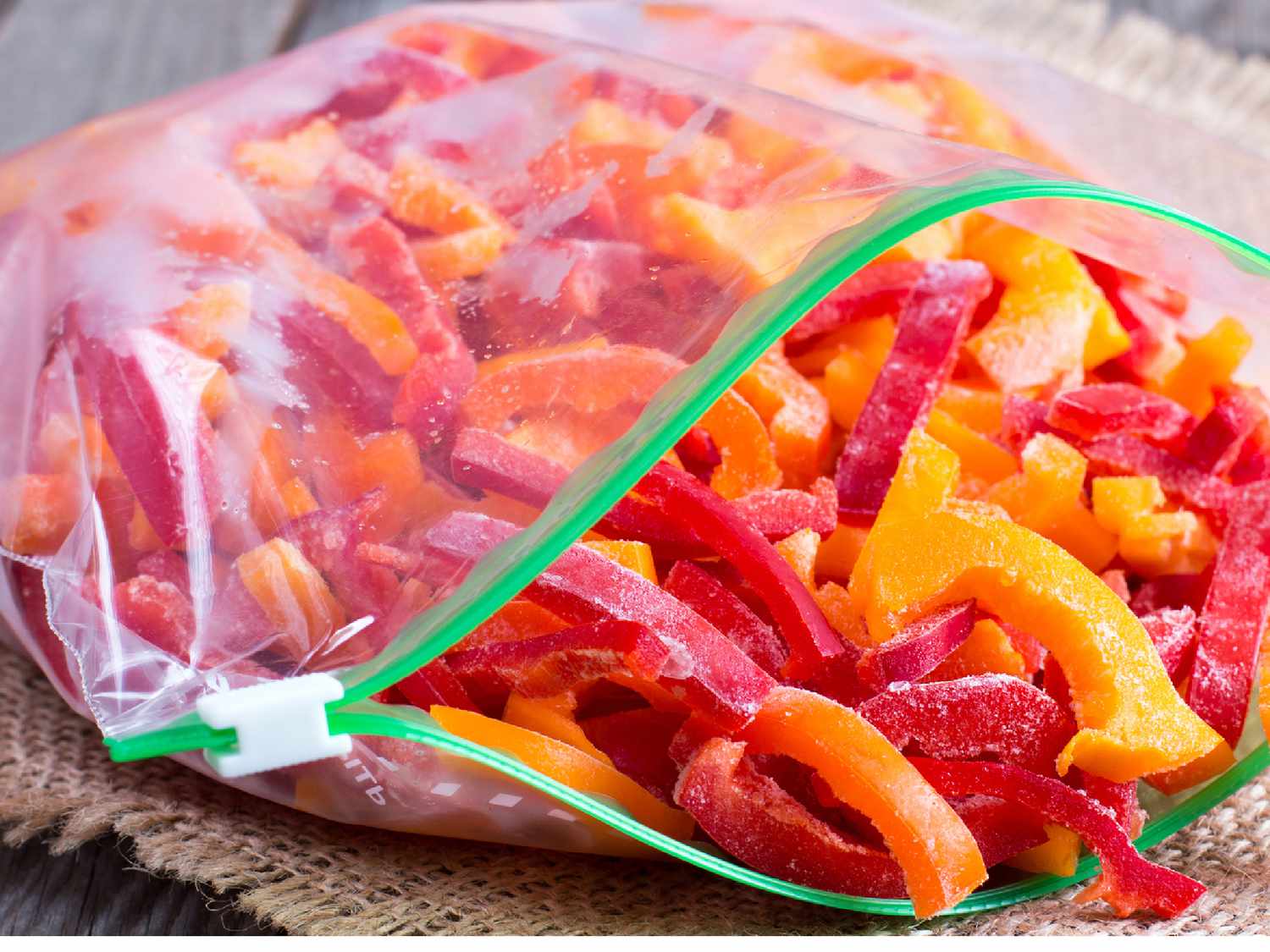
For longer storage, freeze them by washing, coring, and slicing, then freezing on a baking sheet before transferring to a freezer bag.
You can also dry them by slicing, steaming, and drying in the oven at 140°F for 4 to 6 hours, then store in an airtight container.
Health Benefits Of Bell Peppers
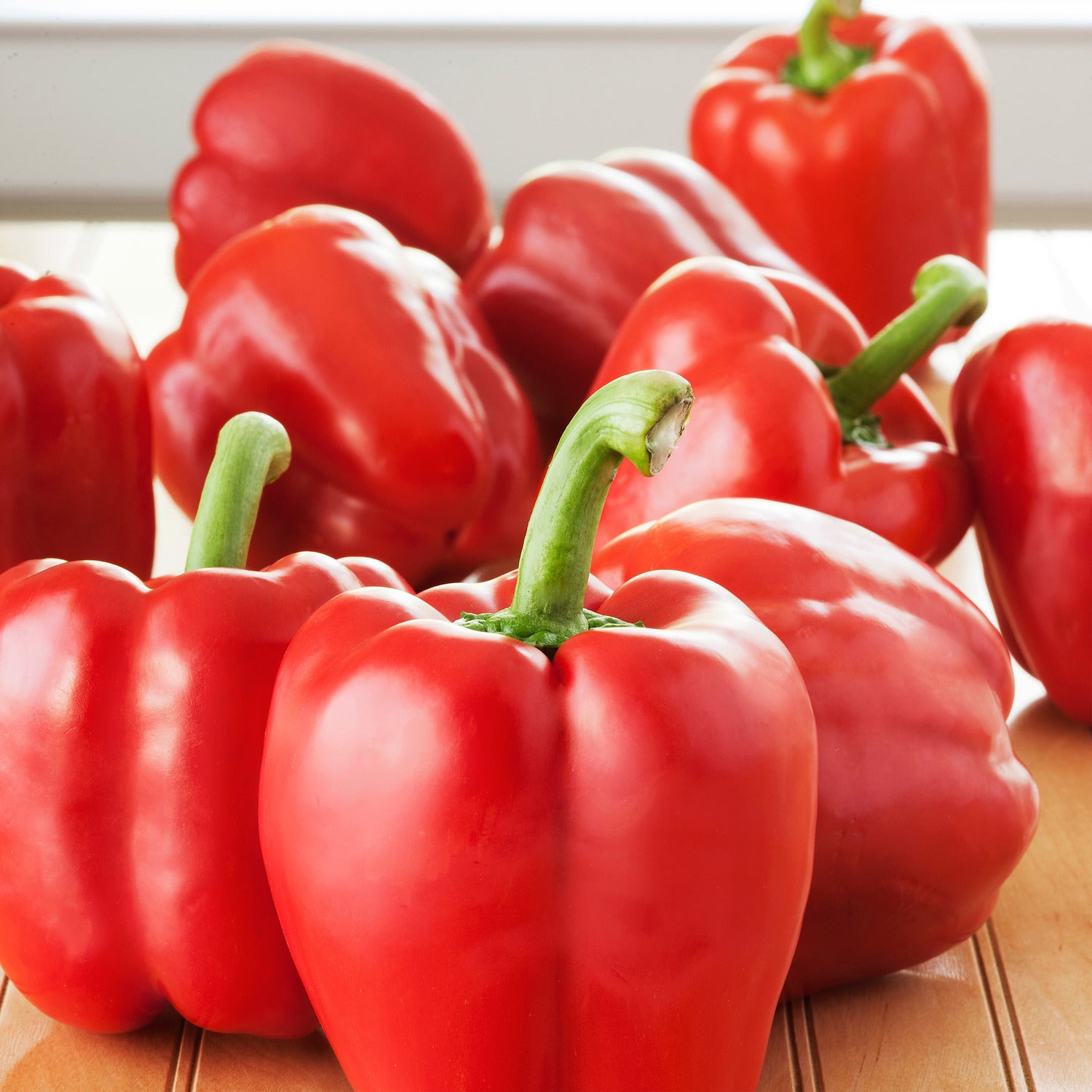
Red bell peppers have more vitamin C than oranges.
This vitamin is essential for your immune system, skin health, and even helps in the absorption of iron from other foods.
Another fantastic benefit is their antioxidant content. Bell peppers are loaded with antioxidants like beta-carotene, which your body converts into vitamin A.
This is great for your vision and overall eye health. Plus, these antioxidants help fight off free radicals, which can damage your cells and lead to chronic diseases.
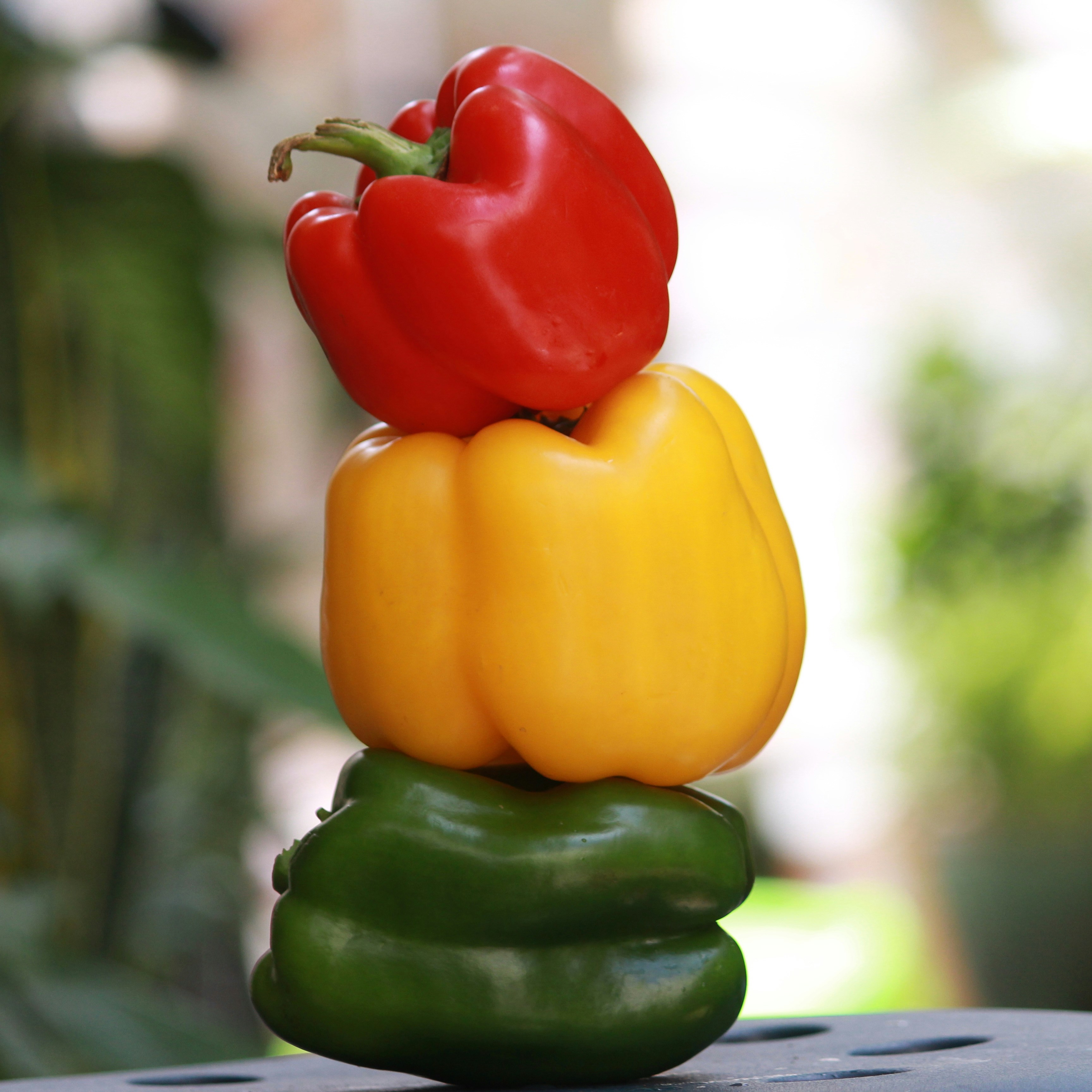
Bell peppers are also low in calories but high in fiber. This makes them an excellent choice if you’re looking to maintain or lose weight.


