
Have you ever wondered why tomatoes turn black at the tip? The mystery is out. We just assume it’s not due to lack of water. Here’s the real reason.
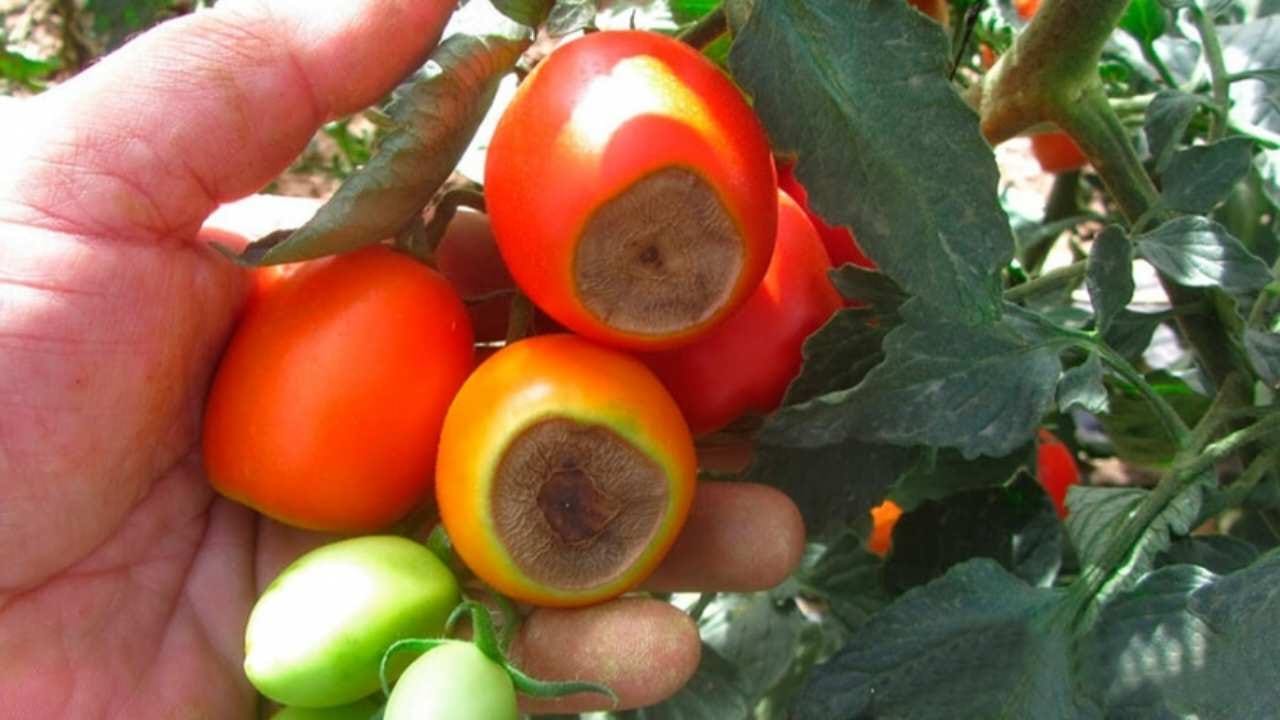
You too may have witnessed the deterioration of the quality of a tomato . You may have seen that these vegetables often turn black at the tip . Why does this phenomenon occur? It is not the fault of lack of or poor watering.
How to best care for tomato plants
It is impossible not to love tomatoes. Its strong but sweet taste is appreciated by the palates of gourmets all over the world. Italy is one of the countries that most produce, import and export this tasty fruit, which is eaten especially in summer.
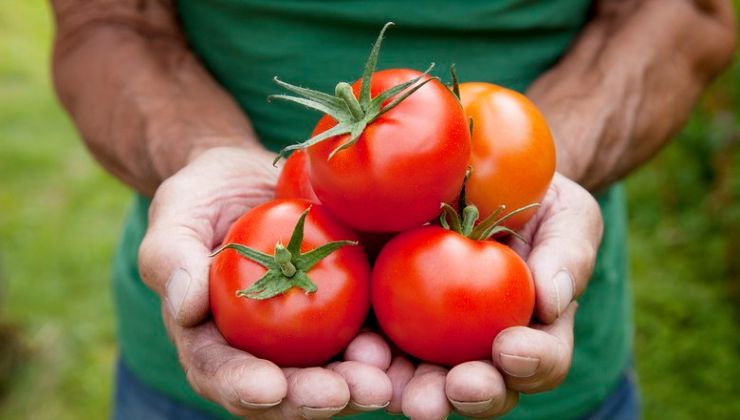
If you have the opportunity to grow a tomato plant in pot or in the garden , we recommend that you do so: by following some tips you can enjoy this unsold and tasty vegetable garden product all summer long.
But how to care for a tomato plant? There is some information you need to know. In order for it to grow well and bear a lot of fruit, you must:
- water the plant every other day;
- bury it in moist and well-drained soil so that the roots take root well;
- Place it in a very bright place.
- Prune frequently by cutting off the buds that appear under the leaves and on the stem.
- Feed the soil with natural fertilizers if you notice that your plant is having difficulty growing.
You can tell that your tomato plant is not growing properly not only when it produces few fruits, but especially when the tips of the fruits start to turn black . Why does this phenomenon occur? No, it is not due to a lack of water.
Why Tomatoes Turn Black at the Tip
You will also have noticed that not all tomatoes are the same. Of course, there are different varieties that determine the shape, color and taste of the fruit.
However, there is certainly something that all tomatoes have in common, regardless of the variety: the black color that often appears at their tip. What is this strange phenomenon? Why does it occur? We answer these questions.
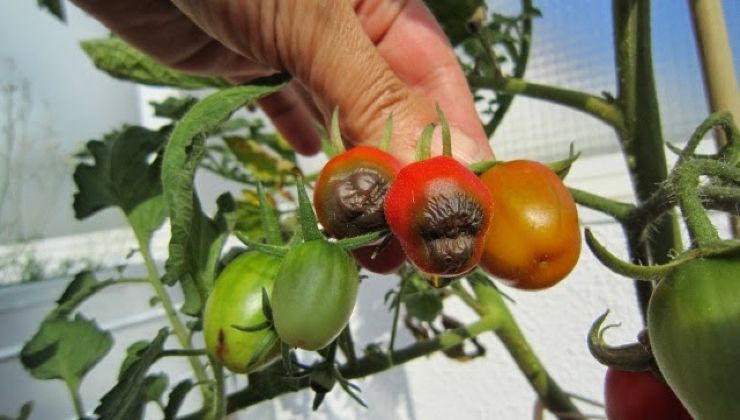
The main reason why tomatoes turn black at the tip is the following: lack of calcium , a scarce nutrient in the soil. The absence or insufficient amount of this nutrient necessary for fruit formation is manifested by necrosis at the bottom of the fruit (more precisely at the tip) and internal rot , which makes the tomato clearly inedible.
Having established this, we can therefore rule out that the black color at the tip is not due to a lack of water . At least not entirely. We also need to be more specific about this.
In order to grow healthy and strong, plants need to absorb the calcium that is present in well-fertilized soil . The plant absorbs all nutrients through its roots , which in turn absorb them from the soil substrate , which contains calcium as well as various nutrients.
What happens if you water a tomato plant too much or too little ? There are two consequences:
- If you water the plant too much, its roots will drown and will not be able to absorb essential nutrients such as calcium;
- If you don’t water the plant enough, the roots won’t grow and won’t be able to absorb the nutrients, including the calcium.
Therefore, it is more correct to say that tomatoes turn black at the top because they cannot absorb calcium properly , but also due to improper watering .
Is it possible to fix this? The answer is yes. In what way? By incorporating calcium into the soil . The integration can be done either by fertilizing the soil with supplements containing this nutrient vital to the plant or by using natural ingredients .
Milk , for example, a calcium-rich drink , can help the plant absorb the right amount of this nutrient . Add 250 ml of milk to a liter of water and water the soil and leaves of the tomato plant.
If you want, you can also use milk powder. In this case, you must spread a generous amount of it on the substrate and then proceed to water the plant.
However, according to some studies, other causes could also be responsible for the so-called apical necrosis , namely the too sudden growth of the plant , which has received an excessive nitrogen supplement, or poor water drainage.
The solution to solve all these problems is therefore to provide the soil with natural calcium supplements , but above all to pay attention to irrigation: the so-called water stress must be avoided.


