
Six years have passed. The noise has faded. But the questions remain.
It has been six years since Caroline Flack was found dead in her North London home — six years since Britain lost one of its brightest television stars, and a woman whose final months were defined not by who she was, but by what was said about her.
She was just 40 years old.
To millions, Caroline was warmth, laughter, reassurance — the familiar face who guided contestants through the emotional highs and lows of Love Island, who danced her way to victory on Strictly Come Dancing, and who seemed to radiate empathy even under the harshest studio lights.
But behind the smile, the final chapter of her life was marked by relentless scrutiny, legal uncertainty, and a level of public pressure few could survive.
What Really Happened
In December 2019, Caroline was charged with assault following an altercation with her boyfriend, tennis player Lewis Burton. The incident — later described as chaotic but not malicious — occurred after she confronted him over a message on his phone. Burton sustained a minor injury and called police as the situation escalated.
Crucially, he did not support the charge.
The Crown Prosecution Service initially decided not to proceed. But that decision was overturned after an appeal by the Metropolitan Police, citing “public interest.” Caroline pleaded not guilty. A trial date was set.
She never made it to court.
On February 15, 2020, Caroline Flack died by suicide. The coroner later ruled her death as hanging.
The Inquest — And The Unspoken Weight of Public Judgment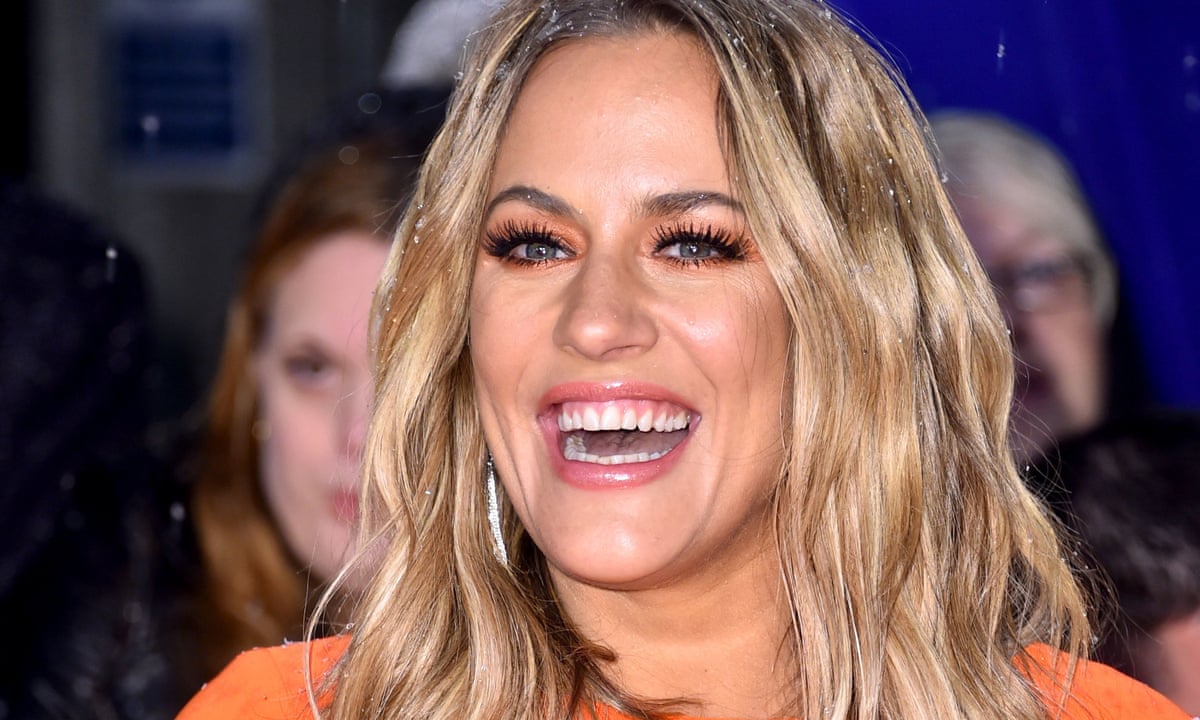
At the 2020 inquest, Coroner Mary Hassell delivered words that still echo years later.
She stated that Caroline’s decision to take her own life was driven by the certainty that she would be prosecuted — and by the knowledge that the media storm would intensify.
“She knew she would face the media, the press, the publicity. It would all come down upon her,”
Hassell said.
“Her trauma was played out in the national press — and that was incredibly distressing for her.”
Her mother, Christine Flack, spoke with quiet fury.
She told the court her daughter had been “seriously let down by the authorities” — and questioned whether the case would ever have gone this far if Caroline were not famous.
“If it was an ordinary person, you wouldn’t have been bothered,”
she said.
“That girl killed herself because you put an appeal through.”
It was a devastating accusation — and one that still divides opinion today.
A Story That Was Never Just Black and White
The documentary series Caroline Flack: The Search for the Truth — released years later — revealed details even close friends had never known.
Caroline had struggled with untreated mental illness for much of her life. As a teenager, she had once attempted suicide following a breakup — a fact kept private for decades.
She was compassionate, deeply sensitive, and painfully affected by criticism. Friends recalled how headlines wounded her more deeply than she ever admitted.
Lewis Burton told the inquest that the last time he saw Caroline, “she was not in a good place.”
The media, he said, “were constantly bashing her character.”
More Than a Headline
What is often forgotten is who Caroline Flack was when cameras weren’t rolling.
She championed mental health charities. She supported Samaritans, Choose Love, and Mermaids. On Strictly, colleagues said she always defended contestants who were judged harshly.
“Mum, they’re all there for a reason,”
she once said.
“You have to see the good in people.”
She did.
And perhaps that was part of the tragedy.
Six Years Later — What Remains
Caroline Flack’s death was not just a personal loss. It became a mirror — reflecting the way fame, justice, and media pressure can collide with devastating consequences.
She was not perfect. She was not a villain. She was human.
Six years on, her mother’s search for truth continues — not to rewrite history, but to restore balance, compassion, and understanding to a story that was flattened into scandal.
And perhaps the hardest truth of all is this:
Caroline Flack did not die because of one mistake.
She died under the weight of everything that followed it.
If This Story Hurts — You’re Not Alone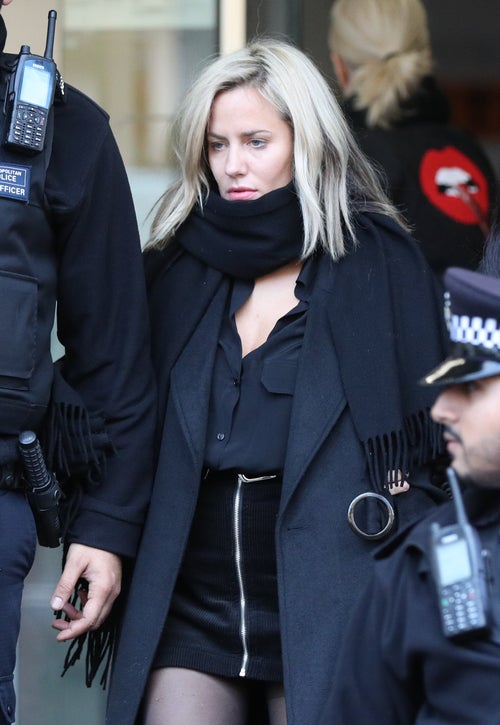
If you or someone you know is struggling with suicidal thoughts, help is available:
-
UK: Samaritans — 116 123
-
US: Call or text 988
-
Emergency: Call local emergency services immediately
Caroline Flack’s story matters — not as gossip, but as a warning, a lesson, and a reminder that empathy must come before judgment.
Six years on, she is still missed.
And the truth still deserves to be heard.


