
A damning independent inquiry into the Southport knife attack has revealed that public safety was compromised because professionals feared being labelled racist, prompting a furious response in the House of Commons. Shadow Home Secretary Chris Philp cited evidence that the perpetrator’s ethnicity was used to water down risk assessments, allowing him to “slip through the cracks.”
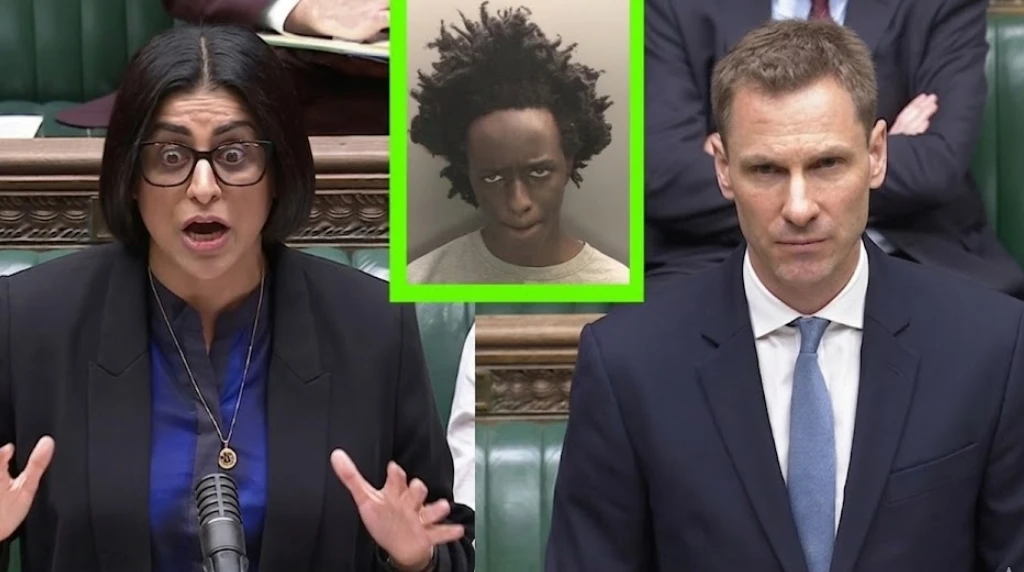
The report, led by Sir Adrian, details catastrophic systemic failures surrounding Axel Rudu Bukana, who murdered three children and injured ten others last summer. It describes a “merry-go-round of referrals” where no agency took responsibility for managing the clear danger he posed.
Philp delivered explosive testimony from the killer’s former headteacher, Joanne Hodson. She told the inquiry mental health services pressured her to dilute an Education, Health and Care Plan (EHCP) after accusing her of “racially stereotyping” Bukana as a “black boy with a knife.”
“My efforts to include this information were met with hostility,” Hodson stated. The rewritten EHCP subsequently obscured the severe risk, a failure directly highlighted in Sir Adrian’s findings. Philp drew a direct parallel to the Nottingham attacks, where similar concerns over ethnic disproportionality influenced decisions.
“The fixation with ethnic disproportionality is deeply damaging,” Philp declared to the chamber. “Ethnicity should never be a consideration when an agency is taking steps to protect the public. Everybody should simply be treated exactly the same.”
He demanded the government explicitly renounce using ethnicity as a factor in detention decisions for public protection. Home Secretary Chris Webb responded, agreeing that risk must be the sole consideration. “No other factors are relevant,” Webb stated, acknowledging the headteacher’s position had been “vindicated.”
Webb confirmed the government would issue a full response to the inquiry’s recommendations by summer, seeking cross-party cooperation. He admitted the “failure to appropriately assess the risk” was central, enabled by fractured agency handoffs.

The inquiry also scrutinised how Bukana’s autism was handled. Sir Adrian warned against generalising links between autism and violence but found its specific manifestation in this case increased his risk of harm. Philp challenged the government to reconsider policies suggesting people with autism should be sectioned less.
A second major line of questioning addressed the deadly riots that followed the attack. Philp quoted terrorism legislation reviewer Jonathan Hall, KC, who said an “information vacuum” was filled by dangerous online speculation, fueling unrest.
Hall noted that more information could have been released without prejudicing the trial, as happened in other terrorism cases. Webb acknowledged the “well-meaning” error, revealing new protocols between police, prosecutors, and media are now in place to ensure faster information sharing.

The emotional weight of the debate centred on the victims: Bahlul King, 6, Elsie Dot Scandum, 7, and Alistair Silva Aguar, 9. Philp quoted Elsie’s mother, who said the tragedy must be “a line in the sand.”
Both frontbenchers pledged to ensure lessons are learned to prevent future atrocities. The political unity, however, cannot undo the report’s chilling conclusion: repeated opportunities to stop the attacker were missed, with political correctness cited as a contributing factor in a broken safeguarding system.
The government now faces intense pressure to overhaul professional guidance across health, education, and social services, ensuring risk management is never again subordinated to identity politics. The nation awaits its formal response, promised before the summer recess.


