
Tomatoes are a favorite in home gardens because they’re tasty, juicy, and great for eating fresh or preserving. However, when growing tomatoes, it’s important to know that some plants can enhance their growth and increase your harvest, while others can cause problems by competing for nutrients or bringing diseases into your garden.
Choosing the wrong plants to grow next to tomatoes can really impact your results. Here are 12 plants you should avoid planting near them at all costs.
Peppers

While peppers are a fantastic summer crop, they should not be planted next to tomatoes. Tomato hornworms, which target nightshade plants, can severely damage the leaves and fruit of both crops. This pest is attracted to the foliage of both plants, so planting them together risks both suffering from an infestation.
Additionally, tomatoes and peppers are both vulnerable to blight, which can build up in the soil.
Brussels Sprouts

Tomatoes will struggle if planted near Brussels sprouts because the sprouts use up most of the nitrogen in the soil. This leaves the tomatoes with only the leftovers, leading to stunted growth.
Broccoli

Tomatoes and broccoli both require a lot of nutrients and will compete for them in the soil. Since both are heavy feeders, planting them separately is the best way to ensure they both thrive.
Dill

Dill’s bright yellow flowers attract parasitoid wasps, nature’s own pest control, which feed on common garden pests and reduce the need for insecticides. While most herbs pair well with tomatoes, is an exception. When goes to seed, it depletes the soil of nutrients essential for tomatoes, leading to stunted growth and lower quality fruit.
Rosemary

While growing them together is possible, rosemary will eventually outcompete tomatoes for essential soil nutrients. These two plants also need different types of soil and growing conditions. Rosemary thrives in loose, alkaline soil and requires full sun exposure, making it a challenging companion for tomatoes.
Cabbage

Cabbage thrives in well-drained, nutrient-rich soil, but when planted near tomatoes, it can stunt their growth by competing for the same nutrients. Both cabbage and tomatoes are heavy feeders and need plenty of nutrients to flourish. Tomatoes usually suffer the most by failing to produce buds, leading to no fruit and a wasted harvest.
Walnuts

Planting tomatoes near a walnut tree can negatively impact your crop. Walnut trees release chemicals into the soil that can stunt the growth of nearby plants, including tomatoes.
Eggplants

Eggplant is a dark, glossy purple vegetable that grows on branches of a plant that can reach several feet high. Similar to tomatoes, eggplant is a nightshade that thrives in warm soil.
However, their similar genetics make them vulnerable to the same pests and diseases. They also both require high amounts of potassium and phosphorus, leading to competition if the soil is not fertile enough.
Cauliflower

Cauliflower is another brassica to avoid planting near tomatoes. Both plants are heavy feeders and compete for soil nutrients. If planted close together, this competition can lead to smaller, less healthy plants.
Kale

Tomatoes can grow quite large and use up many nutrients, which can cause kale to suffer due to a lack of available nutrients.
Sweet Corn

Corn and tomatoes both attract the same pests. Planting them together can make your crops a target for these pests, leading to more extensive damage.
Potatoes
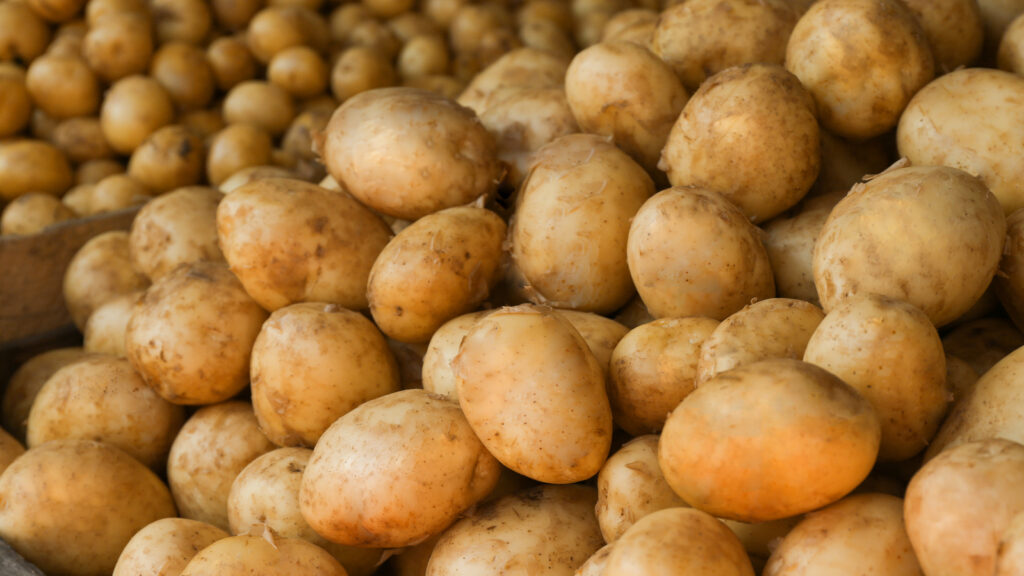
Potatoes and tomatoes are both highly susceptible to early and late blight, and planting them together can lead to cross-contamination. Keeping them apart helps prevent blight from taking hold in your garden.
Fennel

Fennel secretes a substance from its roots that inhibits the growth of nearby plants, including tomatoes. This is a form of allelopathy, where the chemical released can cause other plants to bolt, ruin their flavor, stunt their growth, or even kill them altogether.
Cucumbers

There’s nothing more refreshing than a cool, crisp cucumber straight from the garden. Cucumbers are easy to grow and thrive in warm, well-drained soil. However, both cucumbers and tomatoes are susceptible to the same diseases, which can spread from one crop to the other.
Grow Juicier, Tastier Tomatoes with These 15 Companion Plants

Companion planting is an age-old gardening method that can help prevent common plant issues and boost crop yields. By using some of the best companion plants for tomatoes, your harvests will be better than ever. Here are the 15 best companion plants for your tomato garden.
How to Support Tomatoes: Tomato Stakes vs. Tomato Cages
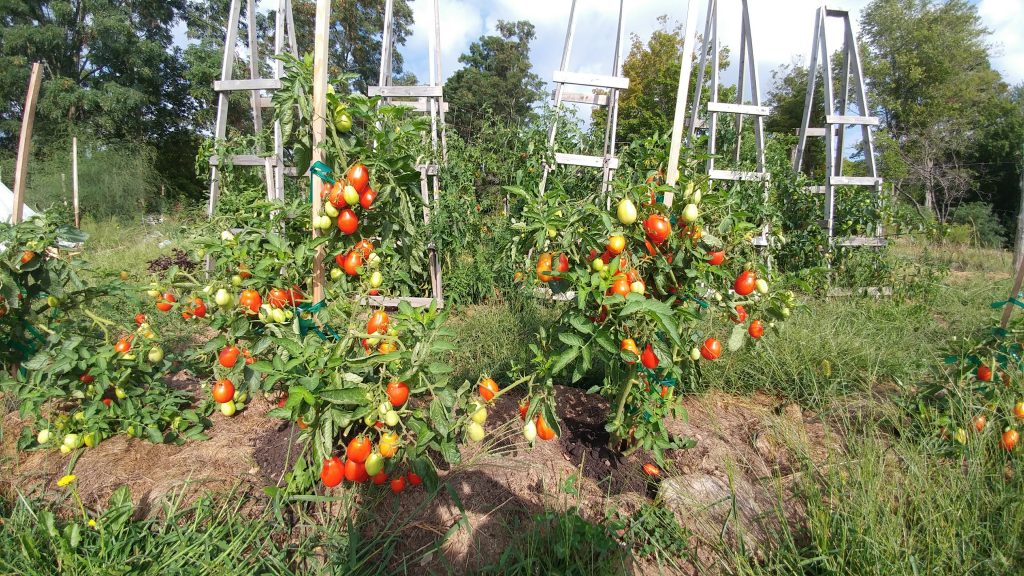
Supporting garden tomatoes with tomato stakes or cages is necessary for all but a few varieties of tomatoes. Without some form of support, your tomato plant will sprawl out over the ground. Here, we’ll share some considerations to help you make a choice that will work for your garden.
How to Properly Prune Tomato Plants

If you’re dealing with tomato plants that often get diseased, tend to droop, or look unhealthy, pruning should be on your gardening checklist. Here’s how you can properly prune your tomato plants.


