
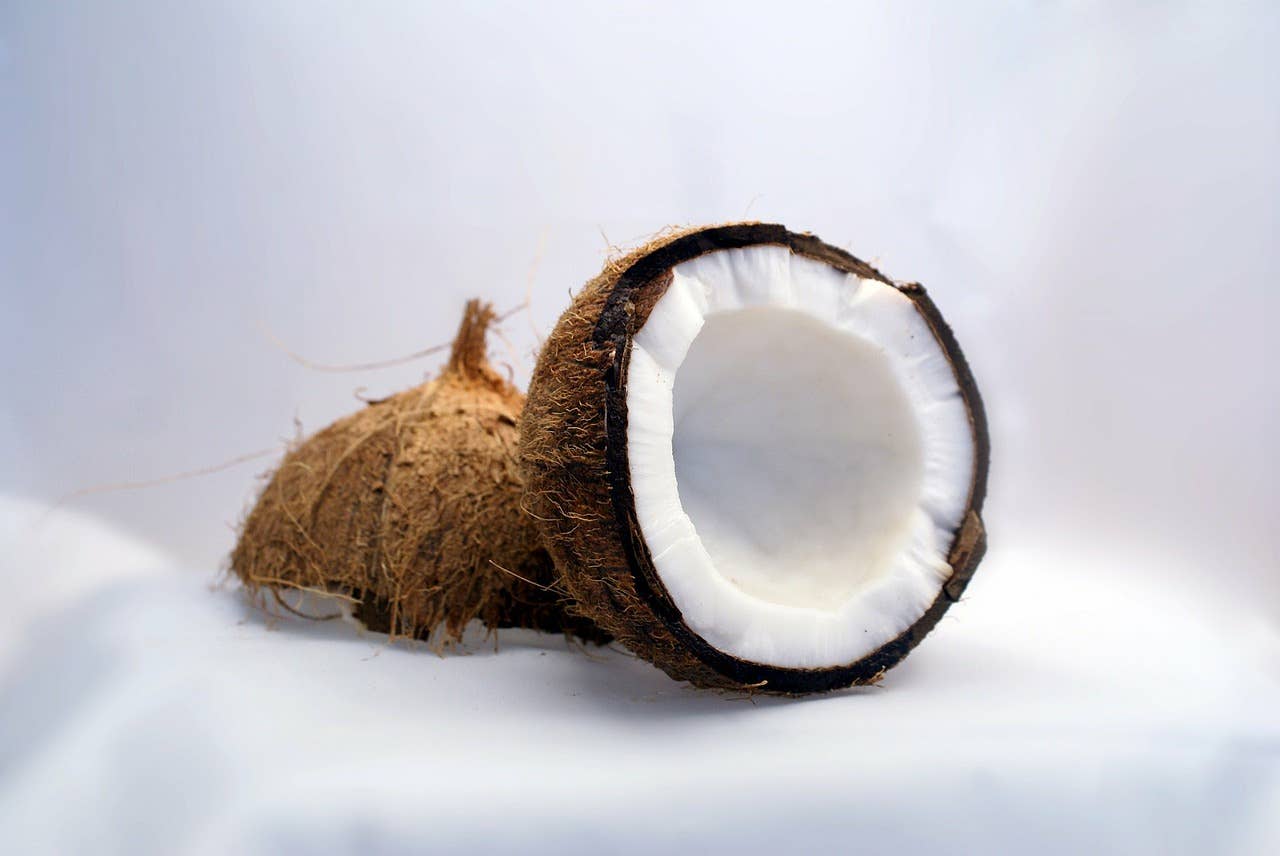
Coconuts are exotic, edible fruits produced by coconut trees. The coconut tree is a kind of palm tree with a single straight trunk and has been used for many purposes since prehistoric times. Every part has a use, including the fruits, wood and leaves. Because of this, the trees are widely cultivated in many places around the world for both commercial and home use.

1. The Flesh: Food, Milk and Flour
This is the first use that most people think of. You can eat the fruit of a coconut tree, and this is the plant’s most common function. Coconuts can be eaten either raw or cooked, and they are rich in vitamins, minerals, and powerful antioxidants.
Before you can eat coconut, the white flesh of the fruit needs to be separated from the hard outer shell. To do this, you may use a coconut scraper to grate the fruit or a coconut meat removal knife to separate the flesh after opening the shell. The freshly grated coconuts can be easily added to your recipes, or you can store it in the refrigerator for a few days.
Coconut milk
Coconut milk is also very popular. It is widely used in many Asian cuisines, especially in South India, Sri Lanka and Thailand. It is usually used to thicken soups and stews, and you can also use it as a substitute for milk if you have a milk allergy. To make coconut milk, you can either squeeze grated coconuts in water with your hands (this produces a milder version), or you can stick them in a blender with a little water (this produces a thicker version).
Additionally, coconut milk is an excellent hair conditioner. You can apply the coconut milk to your hair and scalp and rinse after a few minutes. This will make your hair soft and shiny, and it can improve the health of your hair by reducing hair fall. Coconut milk is also an ideal ingredient to be added to homemade face masks in place of water.
The fruits can also be turned into coconut flour, which is available in markets nowadays. The flour is often used as a gluten-free substitute for wheat flour.
2. The Water: A Healthy, Refreshing Drink
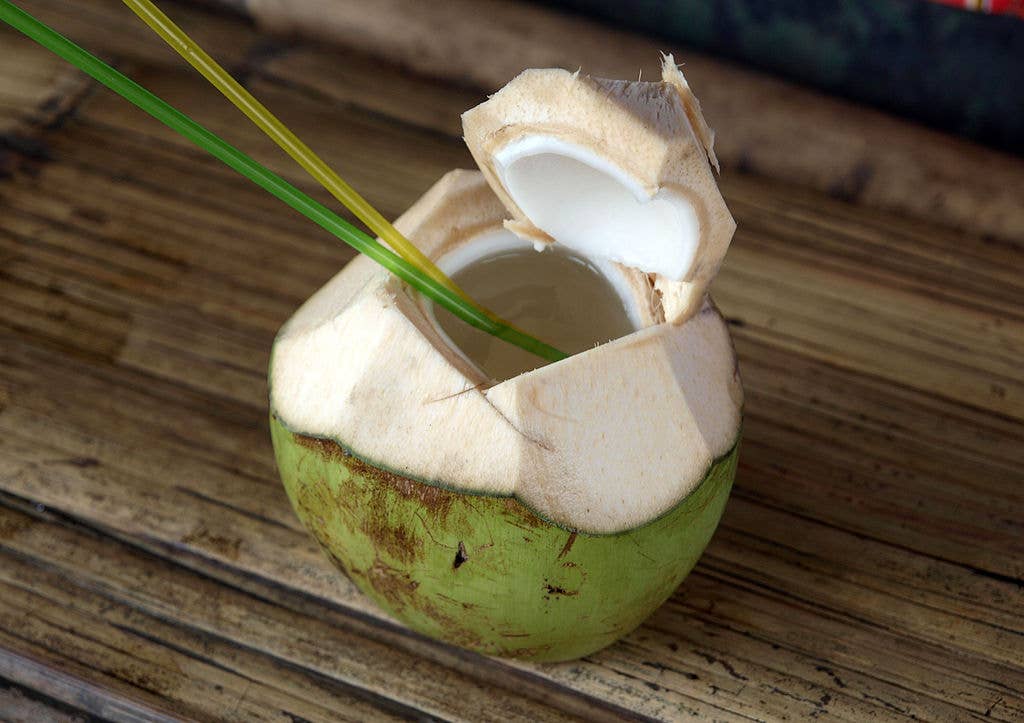
Coconut water is different from coconut milk. When you break the hard shell to open the fruit, it has a mildly sweet water inside that is known for its health benefits. This wonderful natural drink is very popular during the summer season.
The water from young, tender coconuts is sweeter and has the best flavor.
3. The Oil: For Cooking, Skin, and Hair
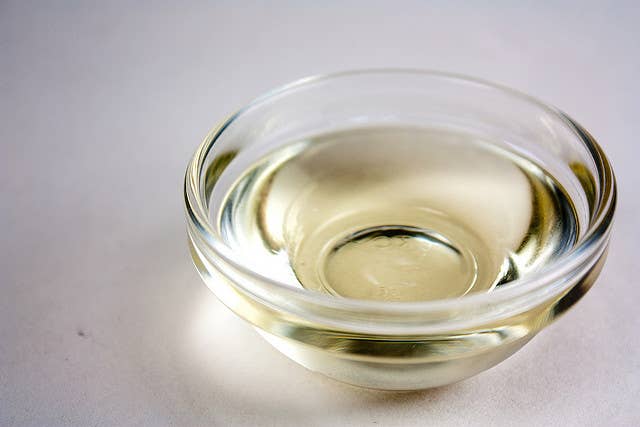
Coconut oil is quite popular nowadays due to its unique, attractive flavor. It is even used as a replacement for butter in many recipes. This oil has a higher saturated fat content than oils such as olive or canola, so its impact on health is a controversial subject. The lauric acid in coconut oil is believed to be excellent for health, however, due to the fact that it boosts immunity and can protect against several illnesses.
Coconut oil is not just for cooking, though. It is also great as hair conditioner. The use of coconut oil in hair can make dry hair soft and silky. In many parts of the world, it is very common to massage young babies with coconut oil since it is believed to be healthy for the skin.
People with oily or acne-prone skin should stay away from coconut oil, as it can clog pores.
4. The Shells: To Steam Food and Craft With
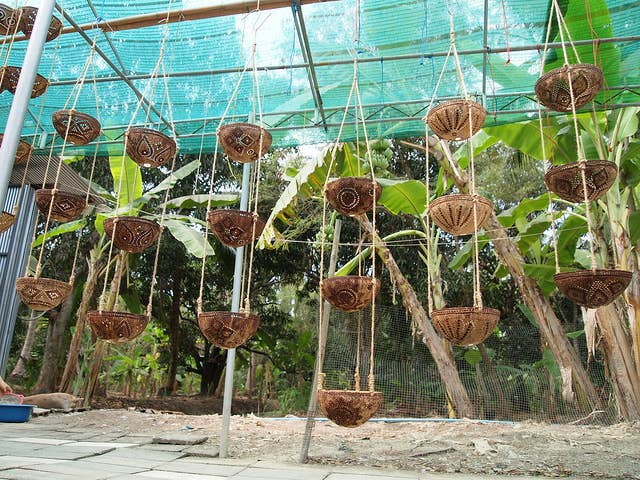
The hard shell of the fruit is useful too. It is traditionally used in homes to steam food. The shells are also a popular craft material. Many beautiful craft items are made out of coconut shells. You can easily color the shells and carve them into beautiful art pieces. Children use them for playing as well.
5. The Husks: A Natural Scrubber and Craft Material
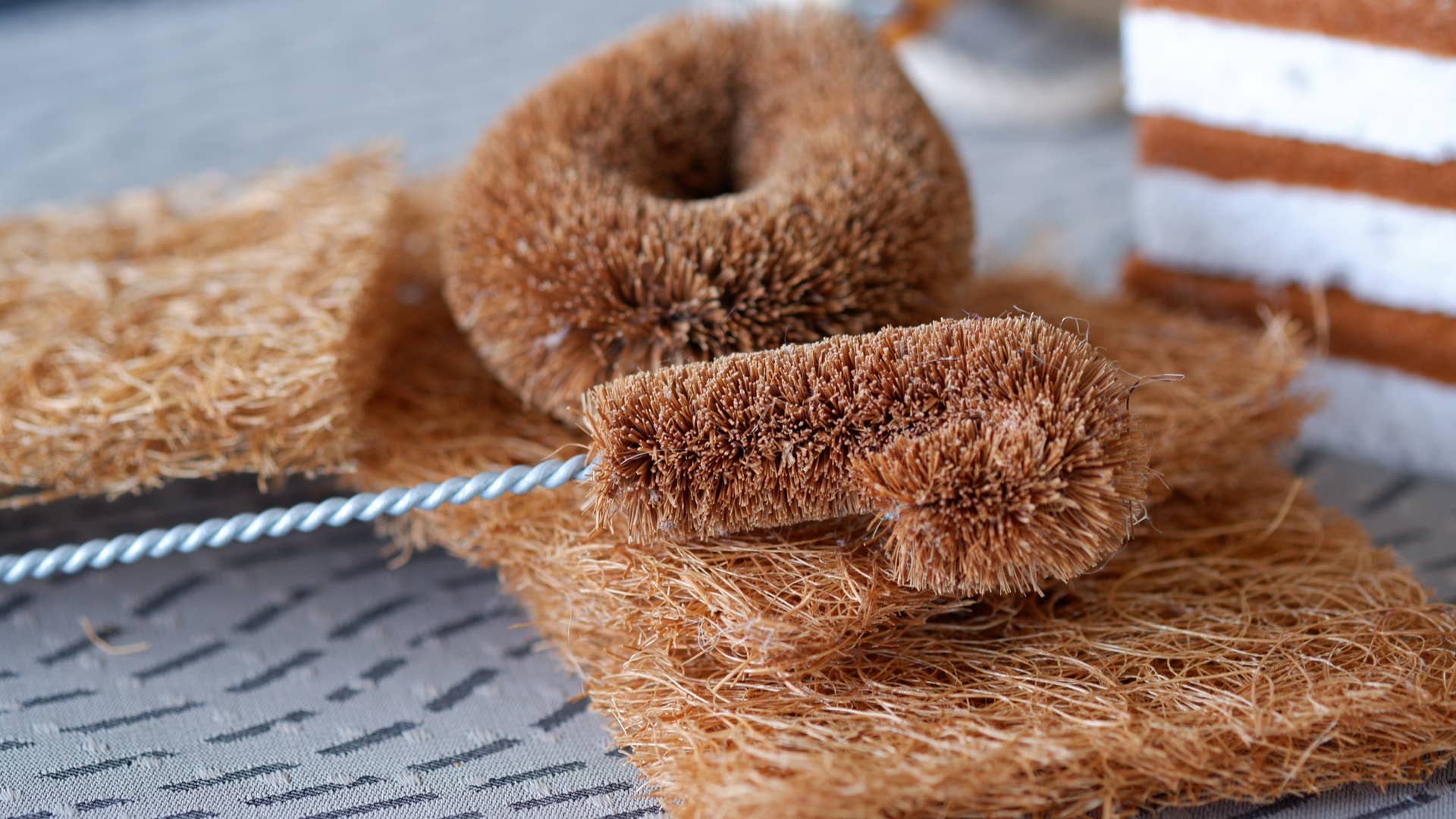
There are a number of uses for the coconut husk. They can be used as natural scrubbers to clean dinner plates, cups, other vessels and even the floor.
Coconut husks are also used as a craft material to create many beautiful things. For example, you can color it and use it as hair for dolls.
6. The Husks: Ropes
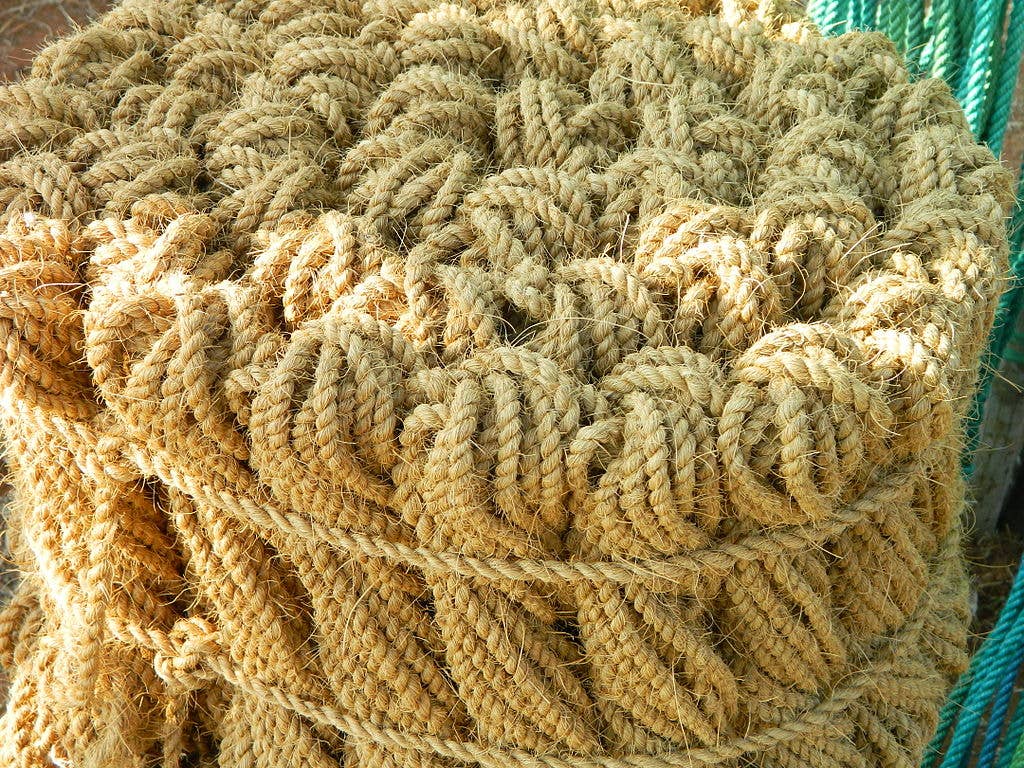
This is one of the major uses of coconuts, at least for the many people who make a living with it. People in many rural areas make their living by making ropes out of coconut husk, and it is a profitable business. This is actually a difficult task and requires immense manual labor. People work in large groups in coir factories to make ropes and mats from the husks of coconuts.
7. Tree Leaves: Thatching

The leaves of the coconut palms are very large and beautiful. I love how they look, and they are great subjects for photography.
People have used these leaves to make fences as well as roofs for their small huts, and in many places, people still use them for thatching. They are cost-effective and provide shelter for many people who cannot afford the cost of other materials.
Sometimes they are used not only for making the roofs but to make the walls of houses as well. Making houses from palm leaves may not be the best option—as they can’t survive extreme weather conditions and there are safety concerns—but in many places, people still rely on this tree to create shelter.
And coconut leaves aren’t only helpful for humans. Did you know that coconut leaves are one of the favorite foods of elephants?
8. The Sticks: Brooms

Coconut leaves have thick sticks that can be used to make brooms for your home! It is really easy to assemble the sticks together and tie them with a thread to make the broom. People make coconut brooms for both domestic and commercial use.
9. The Wood: Fires in Traditional Kitchens
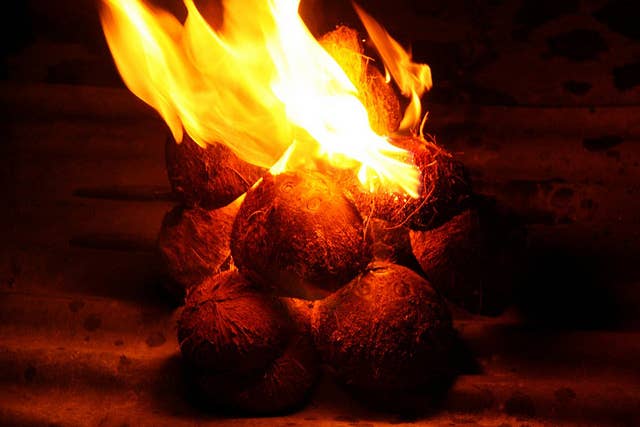
Coconut husks, shells, leaves, leaf stems and flower stems are used for fires in traditional kitchens. In places with many coconut trees, finding wood for fire is an easy and inexpensive task.
10. The Flowers: Medicine
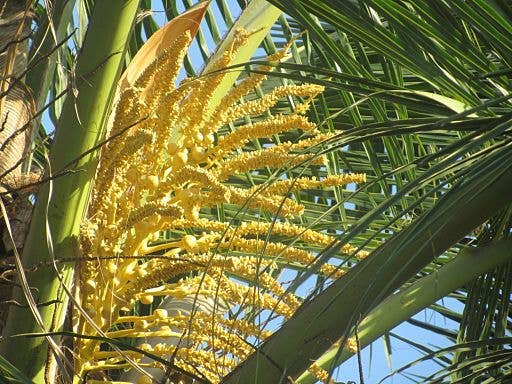
Coconut flowers have many medicinal uses. They are an ingredient in many traditional remedies, especially medicines for new mothers.
These are just some of the uses of the wonderful coconut tree. From sustainable homewares to delicious and nutritious cooking ingredients, the coconut is one of the world’s most important crops. And did we mention that it looks stunning in a tropical landscape?


