
You won’t find roses on this list. No, these “heavy feeders” crave consistent nutrients and plenty of fertile soil. To get a continuous show of spectacular rose blooms year after year, you’ll need to get acquainted with fertilizer. Read on and learn how to feed your roses.
Why You Should Fertilize Roses
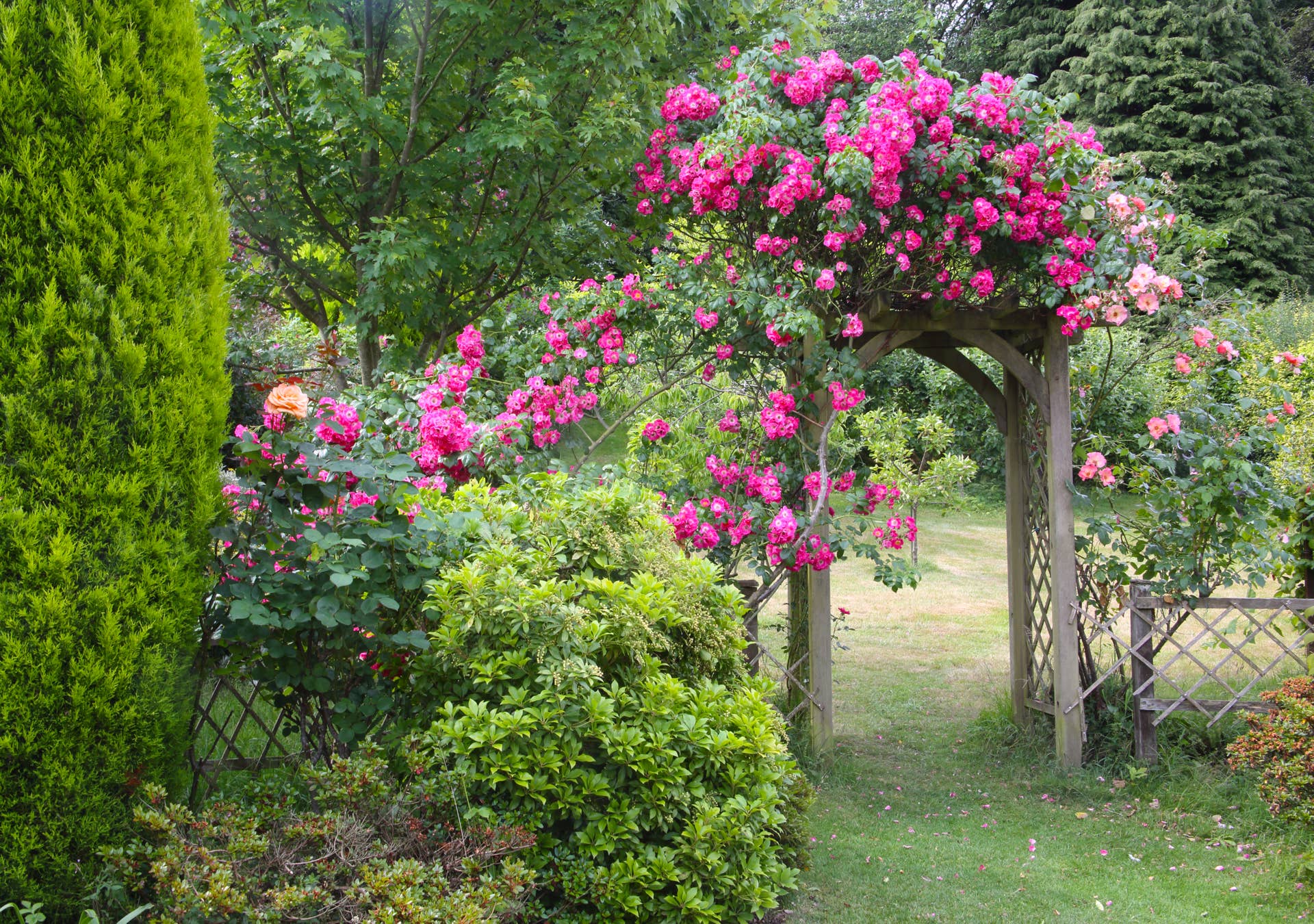
It takes a lot of energy for roses to produce all those fragrant, highly sought-after blooms, and fertilizing can help continuously replenish soil nutrients. Regular feeding encourages lush, leafy plants that produce tons of flowers. A well-fed rose may even rebloom throughout the season. Well-timed fertilizing also ensures a healthy, well-nourished plant that is more resilient to diseases and pests.
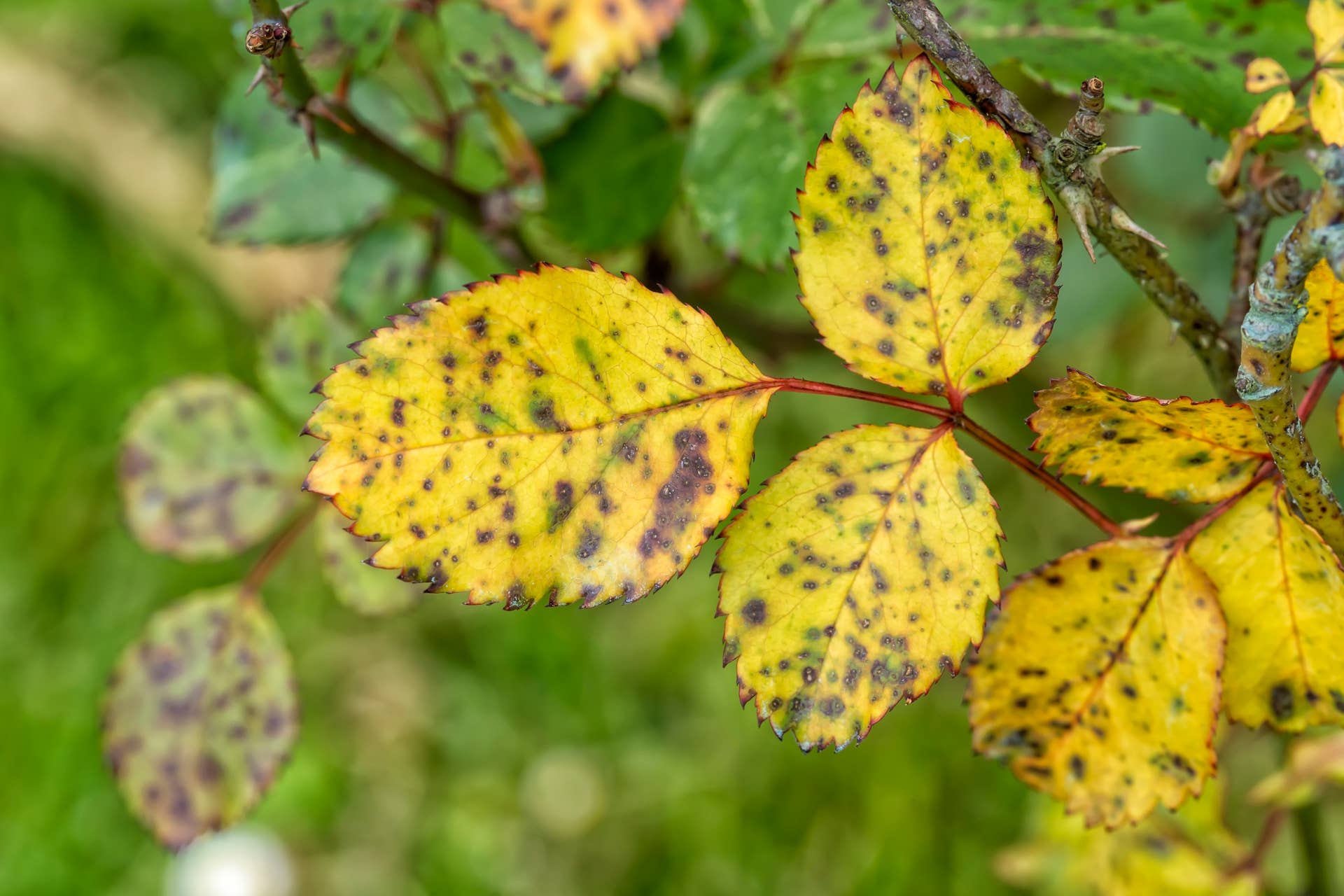
An under- or even over-fertilized rose will be quick to show you it’s struggling. “Check the color and overall health of the foliage,” recommends Van Pham, Head Grower at Heirloom Roses. “Light green or yellowish-green leaves, crunchy leaves, skinny stems, internodes that are too short or too long, leaf burn, stunted growth or bud burn are all signs of nutrient deficiency (too little) or toxicity (too much).”
What Nutrients Do Roses Need?
Roses are happiest in well-drained soil that is rich in organic matter. They also prefer slightly acidic conditions and grow best when the soil pH is between 6.0 and 6.5. Like all plants, roses require three nutrients in relatively large quantities. These macronutrients each play a unique role in plant growth:
- Nitrogen (N): encourages stem and leaf growth
- Phosphorus (P): promotes root and flower production
- Potassium (K): supports overall plant health and improves pest and disease resilience
Other nutrients, like zinc, iron, calcium and copper, are needed by roses in much smaller doses. These secondary and micronutrients help support crucial things like chlorophyll production (the pigment that keeps your leaves a lovely, vivid green) and bud formation.
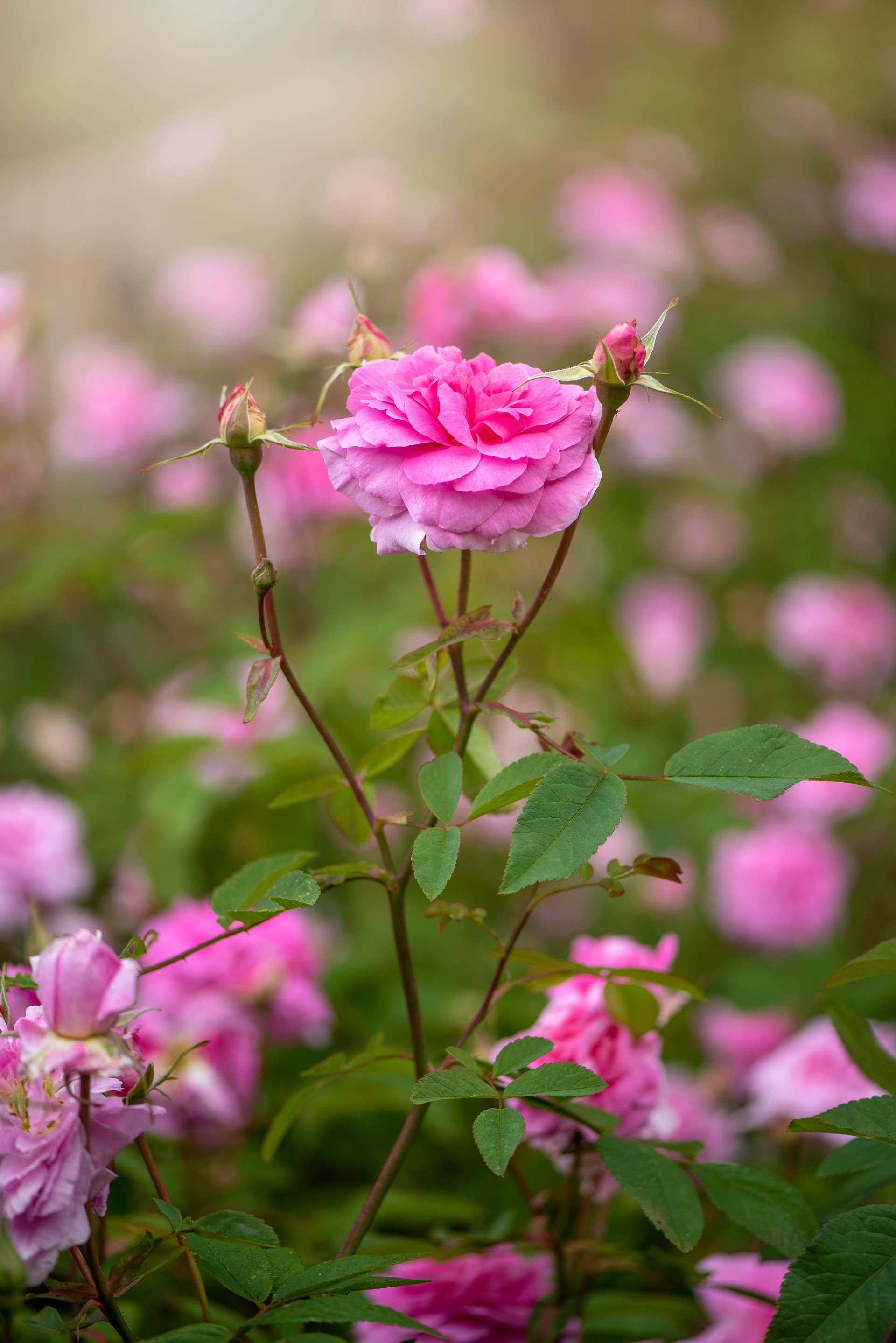
A fertilizing regime should provide a balanced blend of macro- and micro-nutrients. “Fertilizing roses is a lot like baking a cake. If you leave out sugar, or add too much baking powder, the cake won’t turn out the way you expect,” says Gaye Hammond, Director of the American Rose Trials for Sustainability.
“Roses work the same way. They don’t eat fertilizer directly—they make their own food through photosynthesis. To do that, they need the right ingredients in the right balance: water and minerals from the soil, carbon dioxide from the air and sunlight. If even one essential ingredient is missing, or if one is overapplied, the plant can’t function properly. The result is reduced growth, fewer blooms or poor overall health.”
Start With a Soil Test
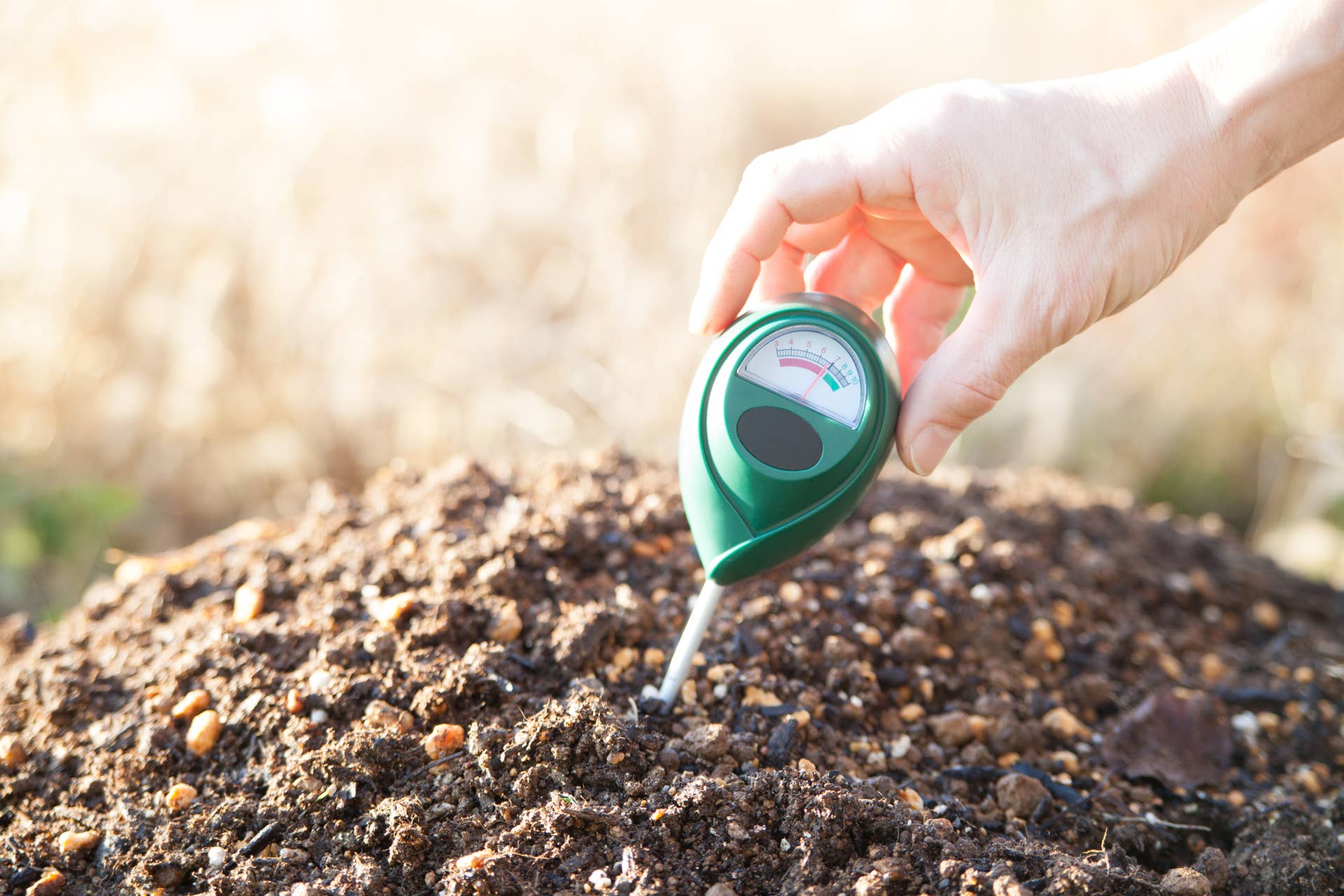
Unsure of where to begin? Start with a soil test. “Many plant problems come from imbalances, deficiencies or excess nutrients,” says Hammond. Your soil may have too much phosphorus, too little magnesium or be the wrong pH. Soils change with the climate and as you add and remove plants, mulch and compost. “How you fertilize your roses depends heavily on the type of your soil, your USDA zone and the type of fertilizer (formulated or organic amendments),” Pham says.
A soil test can save money and time by identifying specifically what problems lurk in your garden bed. Most cooperative extension offices or state agricultural departments offer low-cost soil test kits.
What to Feed Roses
Healthy roses result from a mixed, moderate feeding strategy that includes a variety of nutrients. “Fertilizing roses should not be a “one product fits all” approach,” suggests Hammond.
Liquid vs. Granular Fertilizer
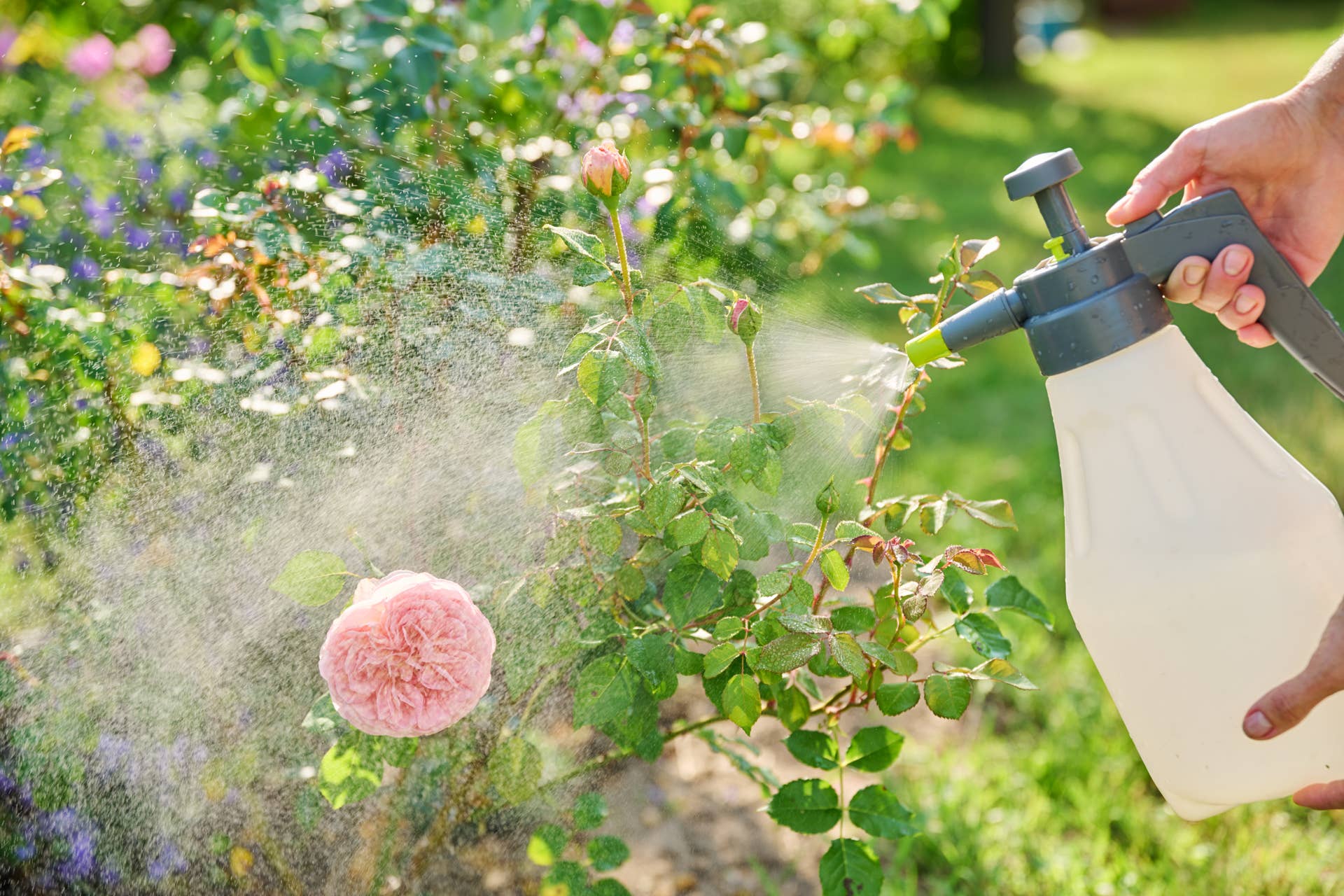
Plant fertilizer comes as either a liquid that is first diluted, then sprayed on the leaves or base of the plant, or as a granular formula that is sprinkled on the surface of the soil. Roses benefit from both types, depending on the time of year and what the plant is lacking.
Liquid formulas offer a burst of super-concentrated nutrients, excellent for plants that need an instant pick-me-up. Liquid formulas are more readily absorbed by plants and soil, and it’s easy to target individual plants with a sprayer or bottle. A downside? Liquids are washed away quickly by rain and are typically only effective for a few weeks.
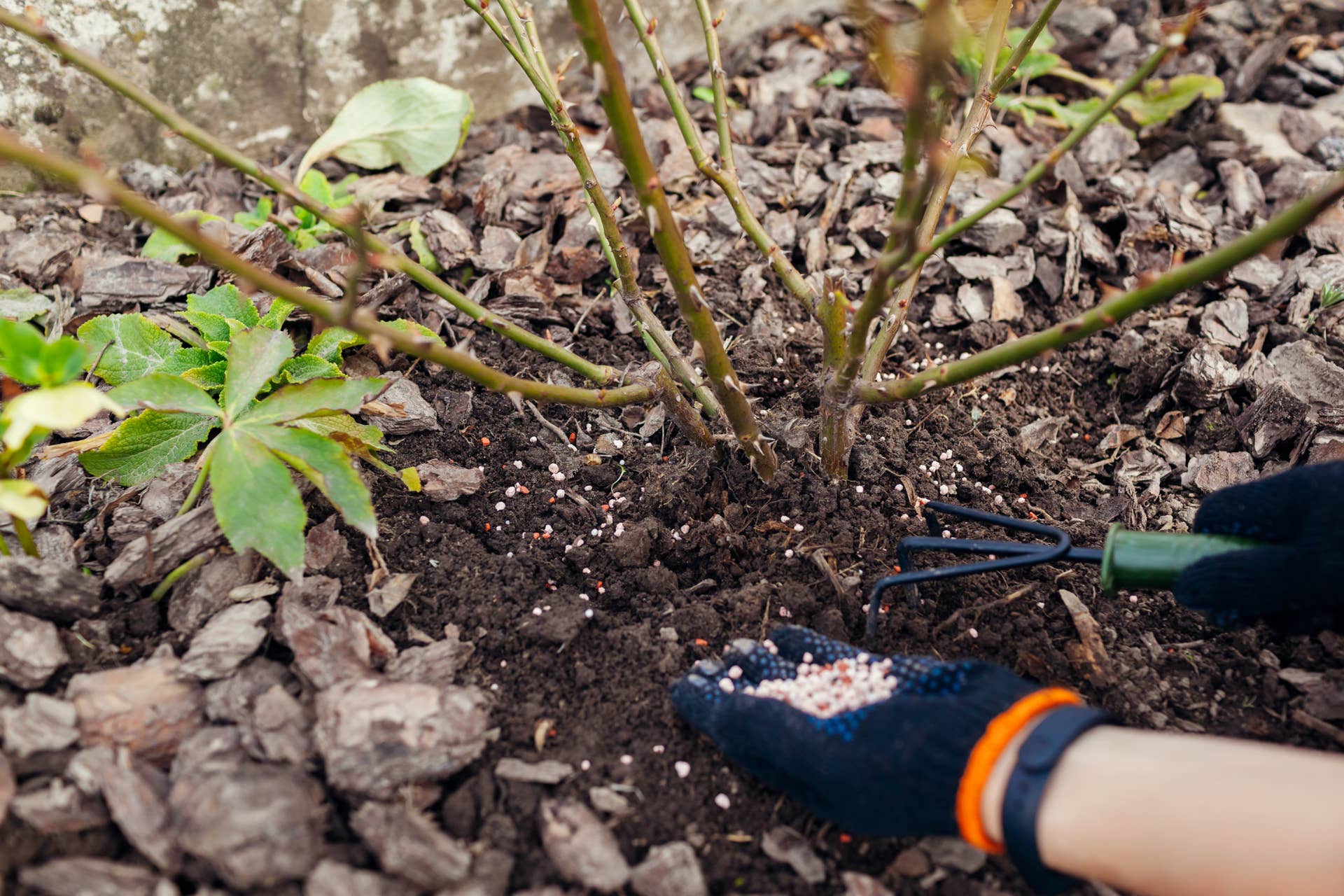
Granular fertilizer releases nutrients slowly over a much longer period of time, usually between one and three months. It’s broadcast over the soil, meaning it can usually cover a larger area, which is ideal for multiple large beds, but it can be tricky to know how many nutrients each plant is actually getting.
Natural vs. Synthetic Fertilizer
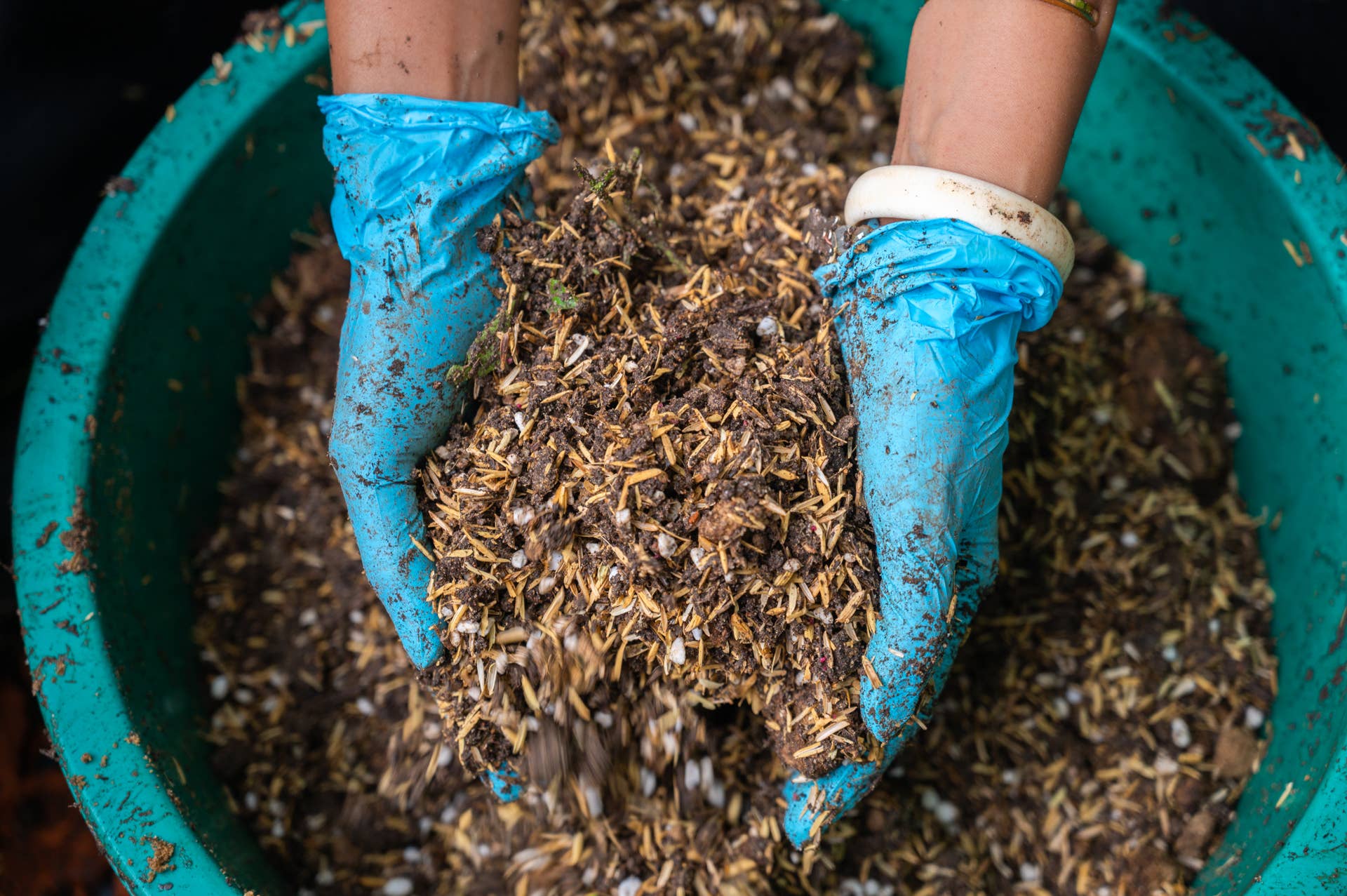
You’ll also want to consider the ingredient source. Synthetic fertilizers are manufactured chemicals that offer a precise, fast-acting dose of nutrients. While they can provide roses with an instant hit of nitrogen or phosphorus, they don’t do much in the way of supporting overall soil health.
Organic fertilizers are derived from natural sources, like bone meal, seaweed or manure, for example. They typically help build long-term soil health, and pose minimal risk of overfertilizing.
Other Soil Amendments
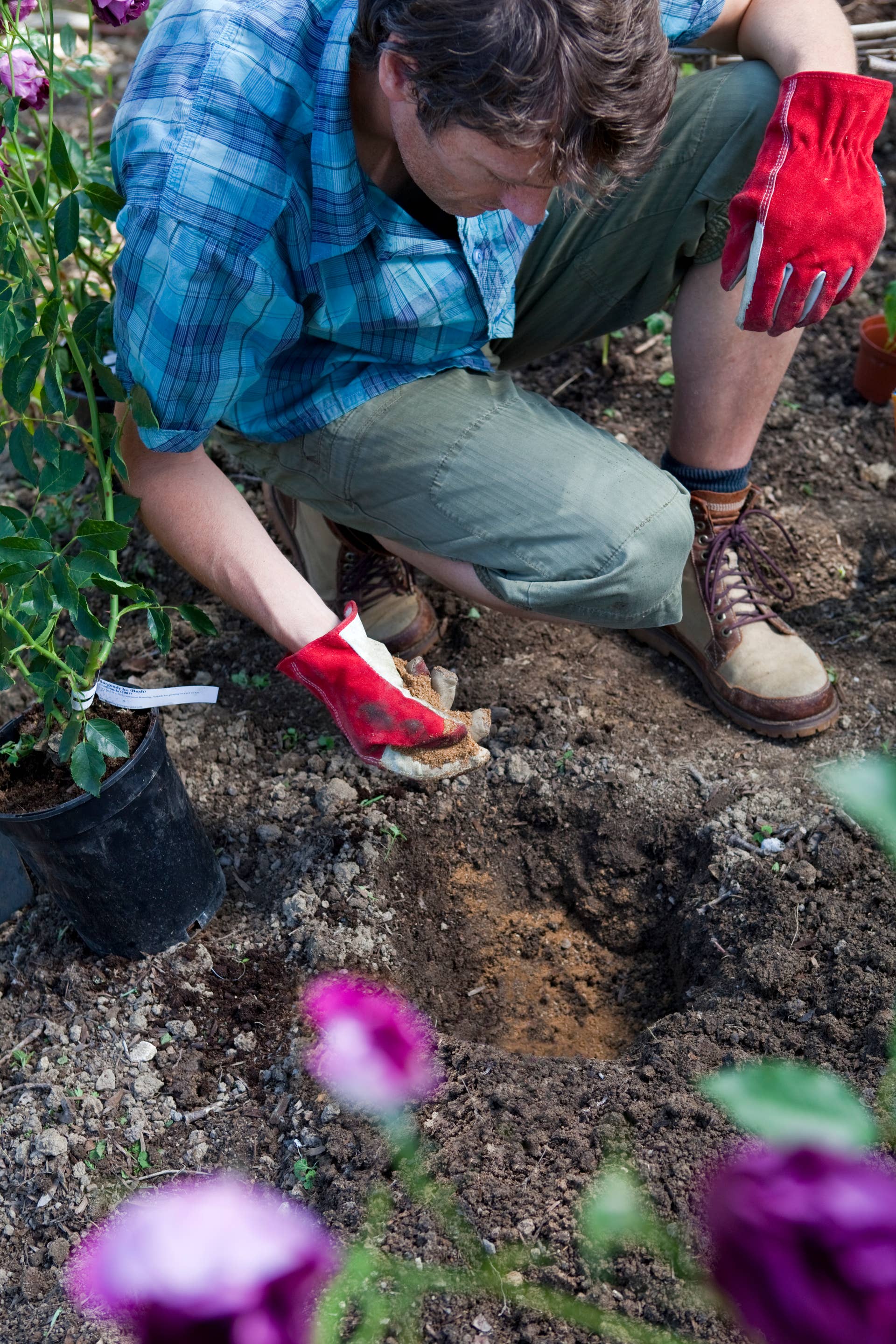
For truly beautiful roses, Hammond and Pham agree that building long-term soil health is key. Both experts recommend a two-pronged approach that includes both fertilizer and regular soil amendments.
Amendments can lighten soil, improve moisture retention and support beneficial soil microorganisms. Unlike fertilizers, which mostly target the chemical components of soil, amendments improve the soil’s physical texture. Compost, for example, can be used to loosen heavy clay and improve drainage. Amendments are usually mixed into the top few inches of soil or layered directly on the soil surface (“topdressed”). Other soil amendments include:
- Aged manure
- Alfalfa pellets
- Bone meal
- Blood meal
- Compost
- Fish meal
- Mulch
- Worm castings
When to Fertilize Roses
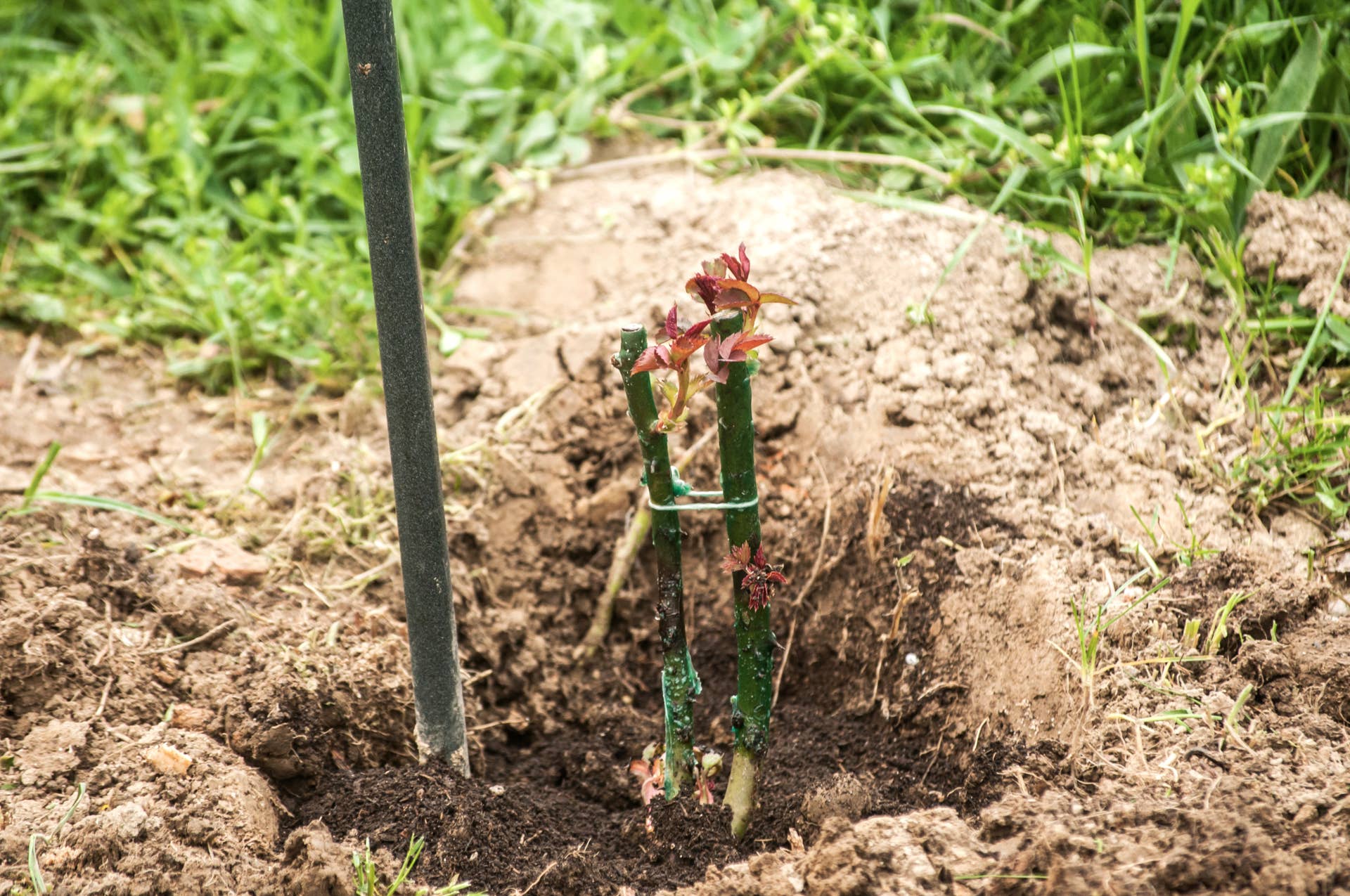
A rose’s feeding schedule should align with the plant’s seasonal growth cycle and whether the plant is actively growing, flowering or heading into dormancy. Timing is just as important as the fertilizer itself!
Newly Planted Roses
There is no need to force tons of vegetative growth immediately after planting. Newly planted roses need time to establish a substantial root system that will support the plant through future seasons.
Roses planted in the fall don’t require any fertilizer. Simply topdress the planting area with compost and mulch and allow the plant to settle in over the winter. During the first active growing season, apply a balanced liquid fertilizer every four to six weeks. Skip the granular formulas, which can be too concentrated for tender new roots.
Established Roses
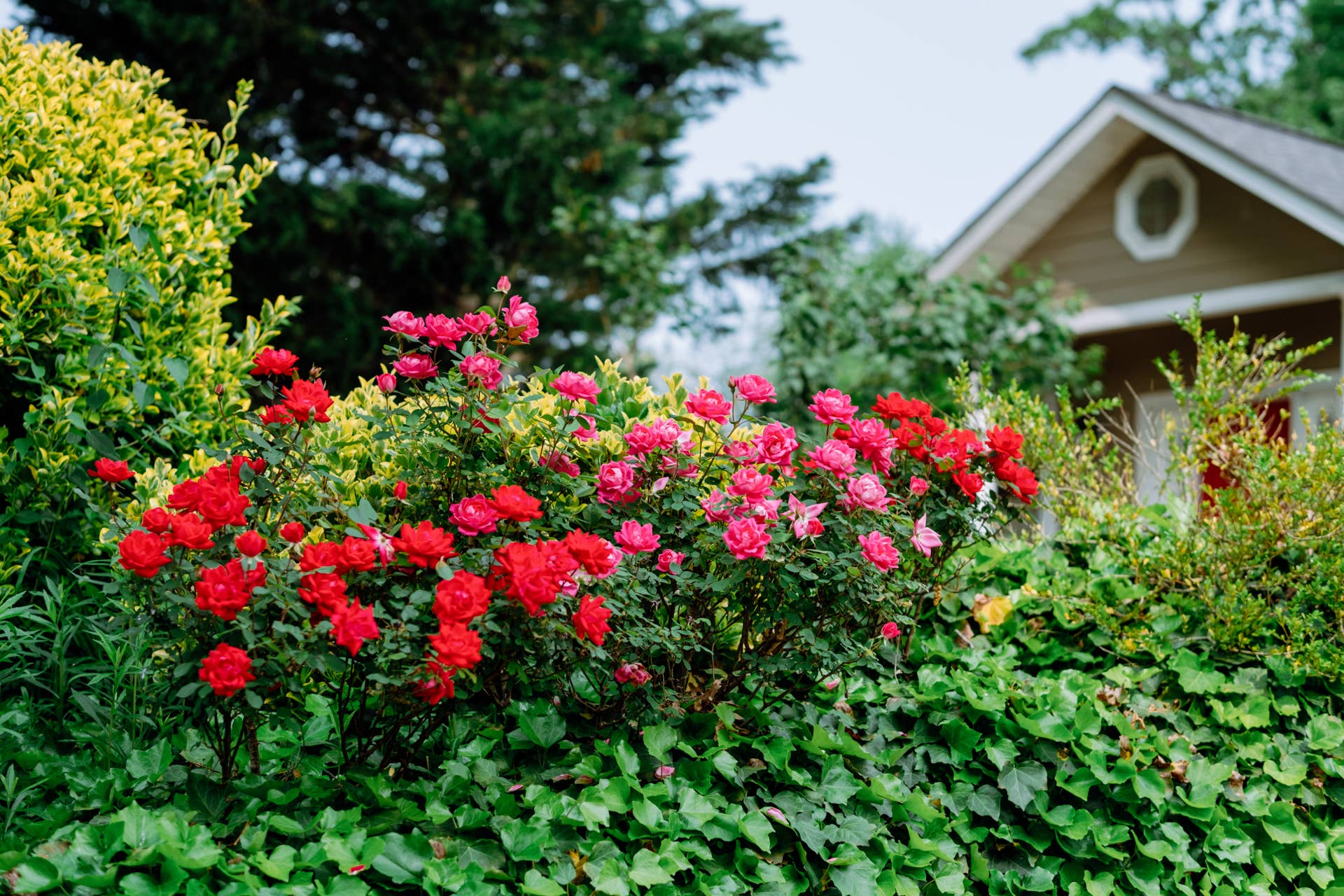
Established roses should be fed seasonally, with the exact timing depending on soil and ambient temperatures throughout each season.
Spring
Spring is all about new leaves and new stems, and fertilizing at this time should focus solely on vegetative growth. “A rule of thumb is to provide higher nitrogen in early spring for stronger stems and lush green growth, then slowly increase phosphorus and potassium from spring to summer to continue supporting vegetative growth and assist with bud setting,” advises Pham.
- Don’t start fertilizing until the soil has warmed to 70°F. Cold soils majorly limit nutrient uptake by roots; you won’t be doing your rose any favors by trying to get an early jump-start with the fertilizer. It’s best to wait until warm temperatures have arrived.
- Apply a slow-release granular 15-10-10 or 10-10-10 formula once you see four to six inches of new growth.
- Topdress rose beds with compost or a few inches of shredded bark mulch at the start of spring.
Summer
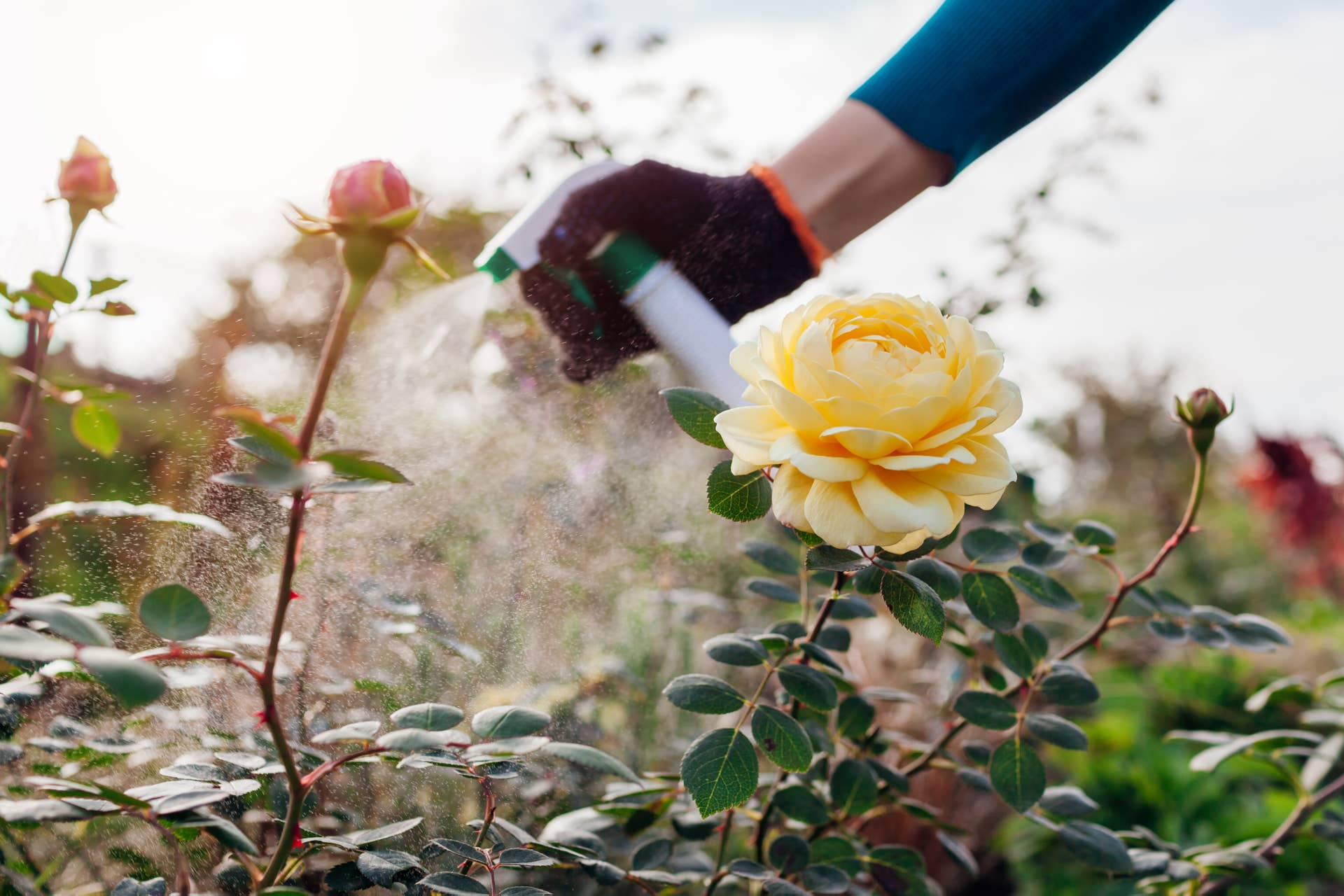
The focus shifts from leaves to flowers at the start of summer. For maximum blooms, amend the soil with bone meal and apply a fertilizer with plenty of phosphorus and potassium.
- Roses prefer mild temperatures and may naturally go semi-dormant during the hottest weeks of the summer. Put the fertilizer on pause during this time. Heat can be stressful for roses and stimulating a ton of growth is not recommended.
- Pham also recommends applying mint compost, a natural pest repellent, over the root zone.
Fall
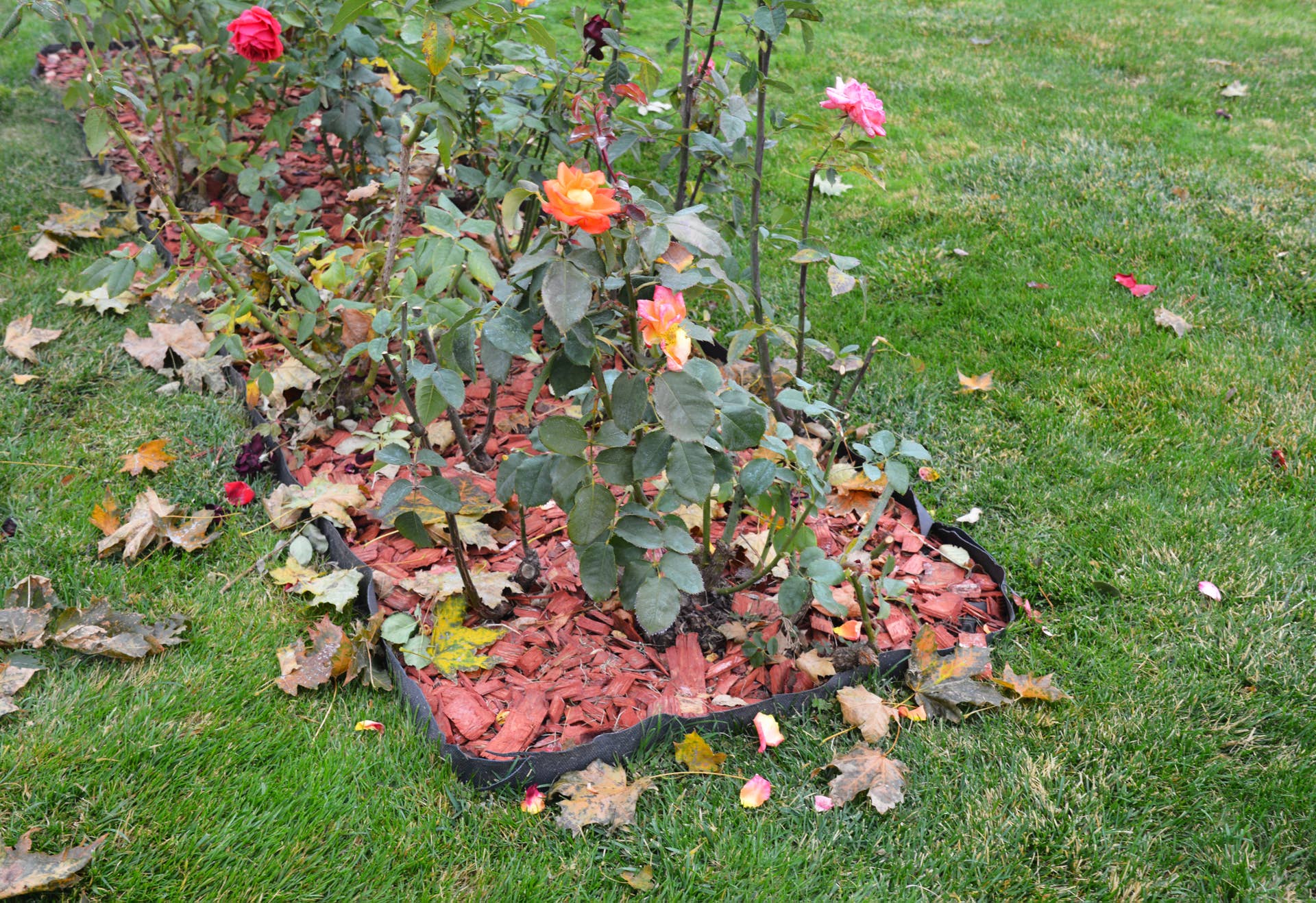
As temperatures cool and the days become shorter, plants naturally shift energy away from foliage and flowers, redirecting their resources towards root development. Pham highly recommends amending the soil with bone meal to help strengthen roots and build disease resistance.
- Stop fertilizing about six to eight weeks before the first hard frost of the season. This allows the plant to harden off and enter dormancy.
- Topdress rose beds with compost or shredded bark mulch in late fall.
Common Rose Fertilizing Mistakes
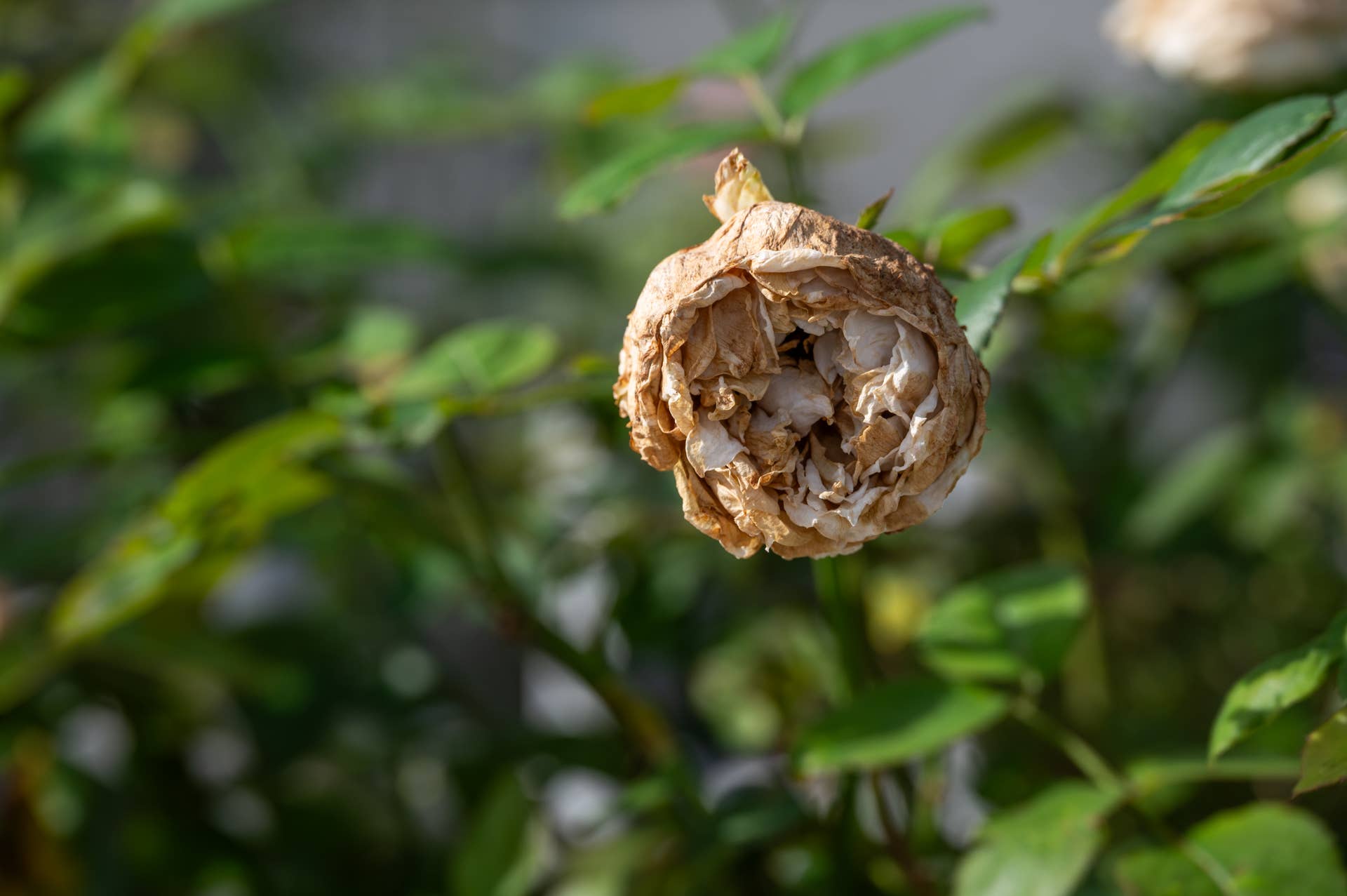
- Overfertilizing: Yes, there can be too much of a good thing. “‘More is better’ is wrong,” says Hammond. Overfertilizing can lead to root burn, wilting, and stunted growth. Heavy synthetic fertilizer use, in particular, can cause salt to build up in the soil. Over time, too much fertilizer can cause long-lasting damage to both soil and plant roots.
- Feeding at the wrong time: If applied too early, fertilizer can burn new roots. Fertilize too late in the season, and new leaves and stems won’t have enough time to harden off before winter arrives. This puts the rose at risk for disease and winter dieback.
- Not watering after fertilizing: Water your roses deeply after applying fertilizer. Watering helps to dissolve granular formulas and move nutrients down into the soil. It also helps prevent root burn by gently diluting stronger fertilizers.
- Skipping the soil test: Before you start scattering fertilizer about haphazardly, test your soil. Then, tailor your fertilizer schedule to your soil type. Soil conditions can change over time—be sure to retest your soil every three years.


