
If you’re in the habit of peeling everything before cooking or eating, it might be time to rethink that. The peels of many fruits and vegetables hold some of the best nutrition you can get.
They’re packed with fiber, antioxidants, and essential vitamins that your body will thank you for. Plus, eating the whole thing helps cut down on waste and saves time in the kitchen.
Just be sure to choose organic when possible and give everything a good rinse. Once you start, you might be surprised how much flavor and goodness you’ve been throwing away.
#1 Cucumbers
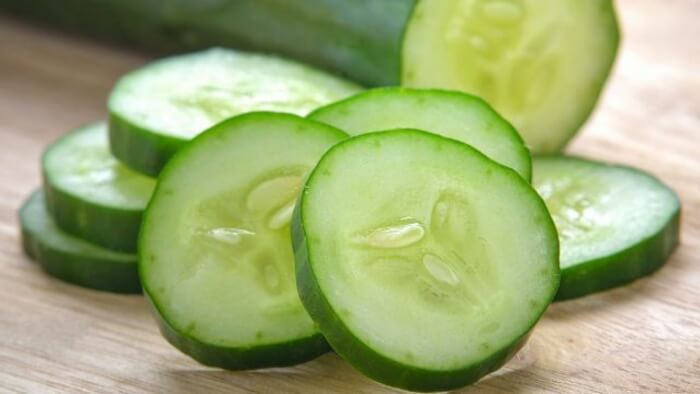
Cucumber skins are full of vitamin K, potassium, and fiber, all of which support hydration and heart health. The peel also has antioxidant properties that help protect your cells.
Just wash them well to remove any dirt or wax. Slice them into salads or enjoy as crunchy snacks with dips.
#2 Potatoes
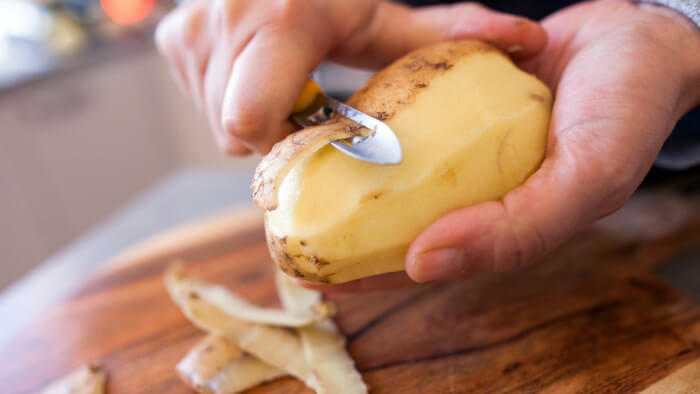
Potato peels are fiber-rich and a great source of potassium and iron. Keeping the skin on adds texture and boosts the nutritional value of dishes like roasted potatoes or mashed potatoes.
Scrub them clean before cooking, and leave them unpeeled for easy, hearty meals.
#3 Eggplants
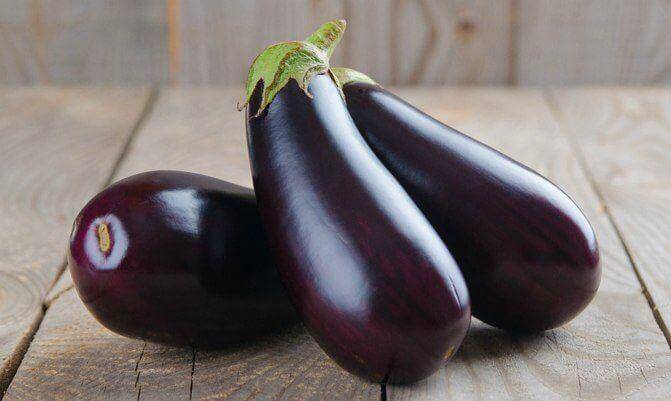
The skin of younger eggplants is soft and full of nasunin, a powerful antioxidant that supports brain health.
Older eggplants can have tougher skin, so stick to smaller or freshly picked ones. Roast or grill them whole to enjoy the flavor and nutrients without peeling.
#4 Zucchini
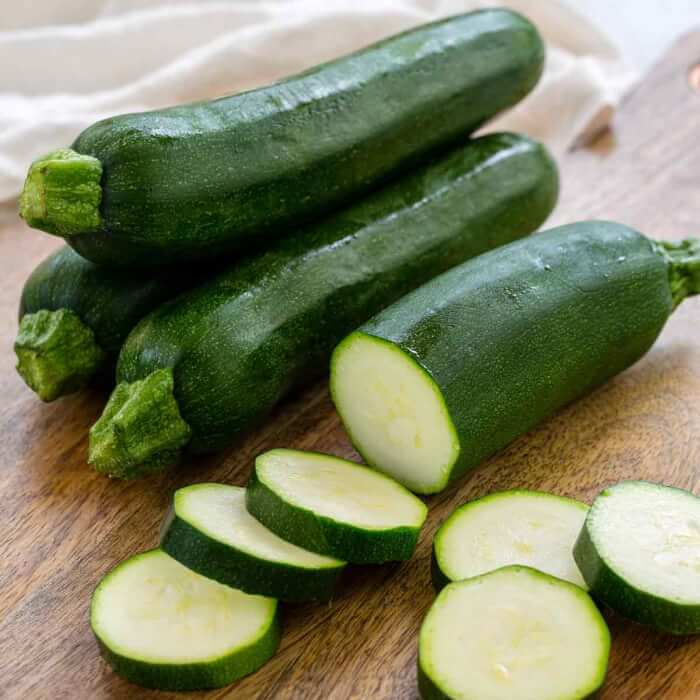
Zucchini peels are where much of the antioxidant content lives, especially vitamin C and lutein.
The skin is thin and soft, so it blends easily into stir-fries or grilled veggie plates. Rinse well and slice as needed for a nutritious boost.
#5 Squash
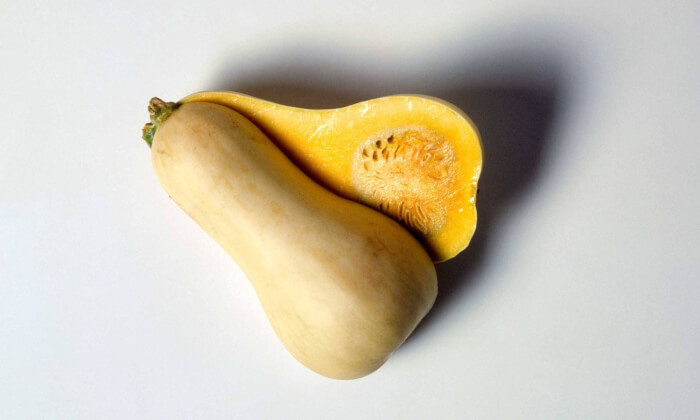
Some varieties of squash have edible skins that offer a solid dose of vitamins A and C. Delicata and acorn squash are especially good with the peel left on.
Roast in chunks or wedges with olive oil and spices for a cozy, vitamin-rich side.
#6 Apples
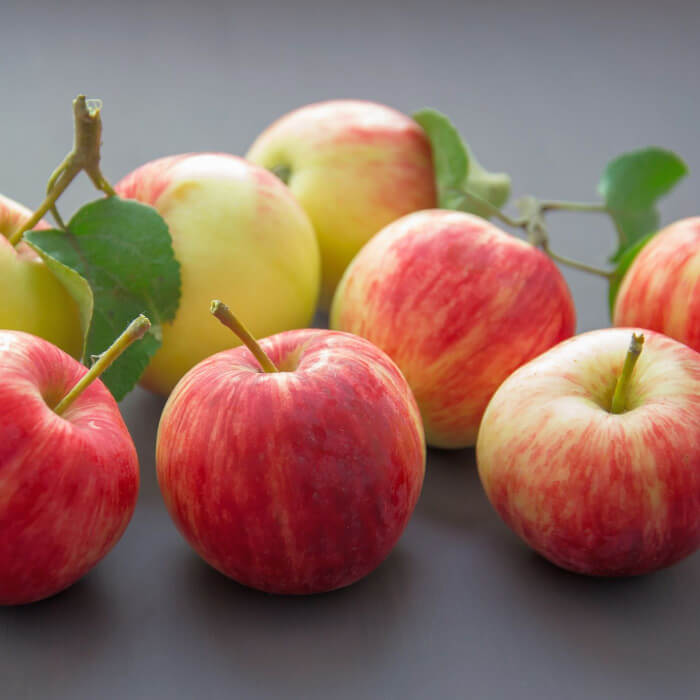
Apple skins contain most of the fruit’s fiber and are rich in antioxidants like quercetin. Eating them unpeeled gives you more vitamin A and potassium than peeled ones.
Just rinse thoroughly or choose organic to reduce pesticide exposure. Enjoy as is, or slice them into oatmeal or salads.
#7 Beets
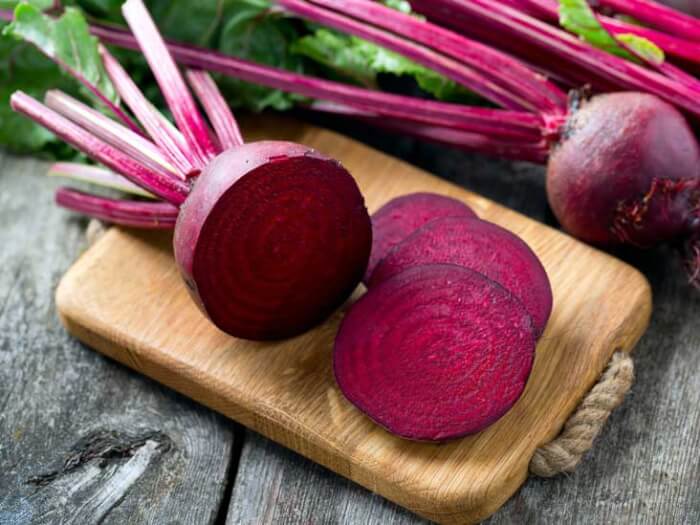
Beet skins are thin and full of vitamin C and phytonutrients that support detox and glowing skin.
When roasted or boiled, the skins soften and become barely noticeable. Give them a gentle scrub, then cook and enjoy them whole.
#8 Kiwis
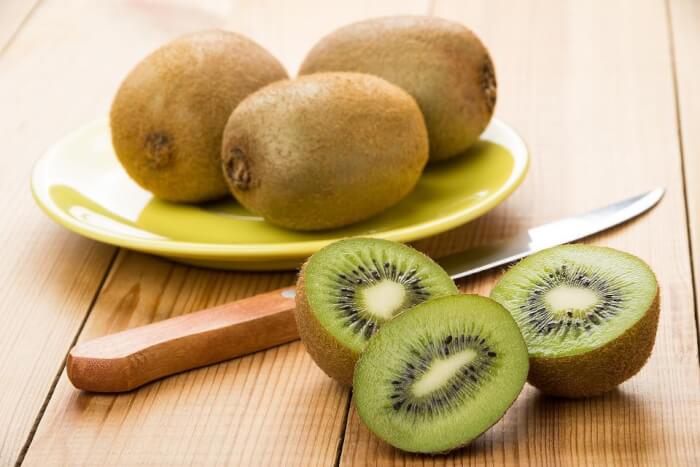
The fuzzy skin might seem strange at first, but it’s loaded with fiber and vitamin E. Eating the peel triples the fiber intake compared to eating just the inside.
Choose smooth-skinned varieties like golden kiwi, wash well, and slice thin for snacking.
#9 Lemons
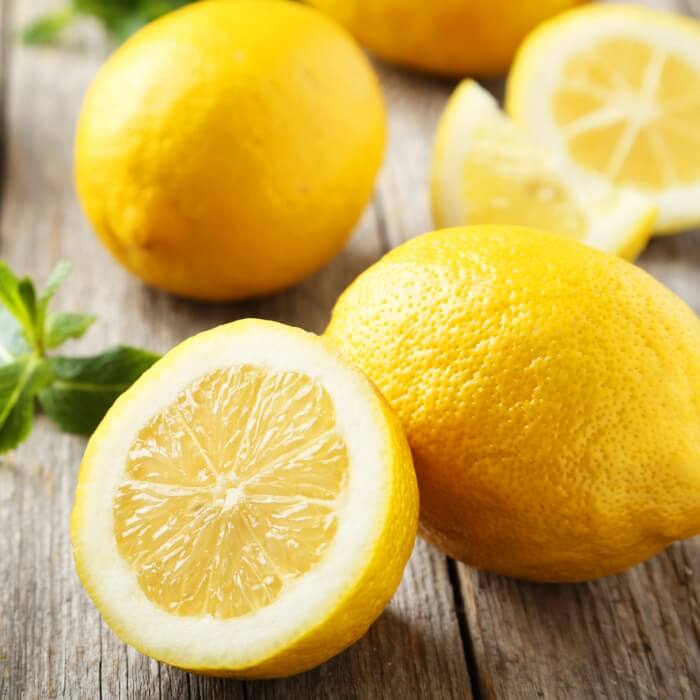
Lemon peels are full of citrus oils and compounds that support immunity and digestion.
They’re zesty and can be grated into baked goods or used in marinades. Dry the peel to use in homemade teas or seasoning blends.
#10 Oranges
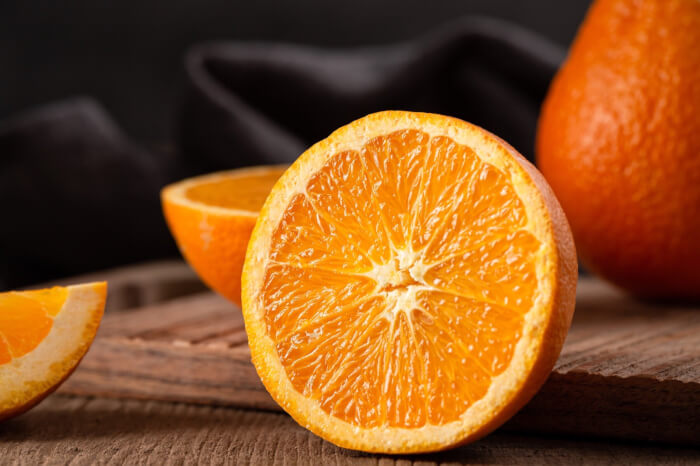
Orange skins are rich in vitamin C, calcium, and natural oils. Though the peel is bitter, you can use it in creative ways.
Try candying it, zesting for recipes, or steeping in hot water for a citrusy tea.
#11 Kohlrabi
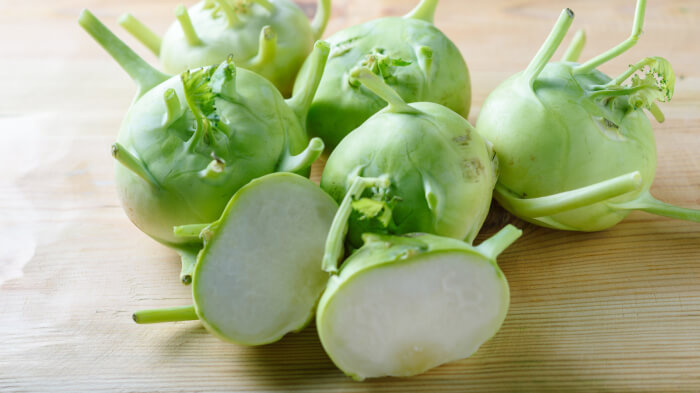
Young kohlrabi has a thin, tender peel that’s full of fiber and vitamin B6. If it feels soft, there’s no need to peel at all.
Just slice, season, and enjoy it raw in salads or lightly sautéed.
#12 Swedes aka Rutabaga
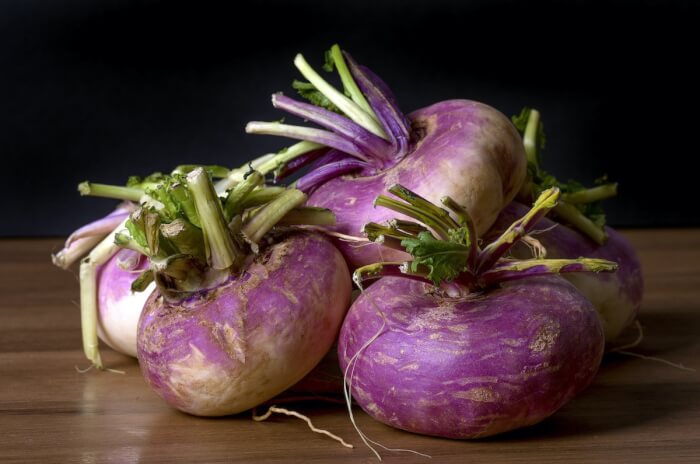
Like kohlrabi, tender rutabaga skins are totally edible and contain key nutrients.
When cooked, the skin softens and blends well with the flesh. Wash well and roast or mash with herbs and a touch of butter.
#13 Carrots
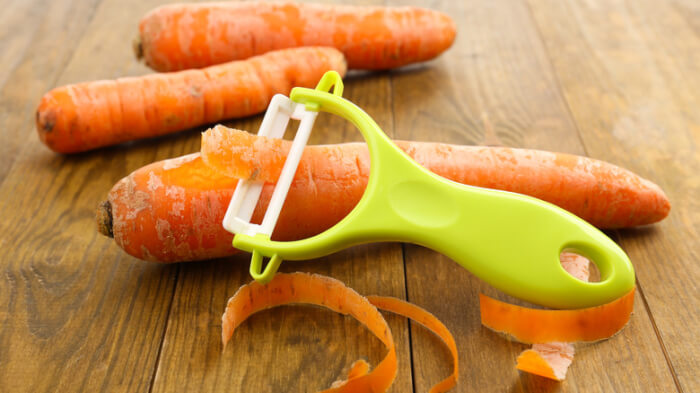
Carrot peels are perfectly safe to eat and full of flavor and fiber. If you wash and scrub them properly, there’s no reason to peel.
They’re great raw, roasted, or blended into soups and juices with the peel on for extra nutrition.


