
My garden is mostly cut flowers and herbs, but every year, I manage to coax a few cucumber seedlings from one of my raised beds.
And every year, without fail, I manage to lose a few cucumber seedlings as well. Armed with grow lights, heat mats and some grade-A seed starting mix, I always manage to cultivate whole flats of lush little cuke plants. But somewhere between my cushy indoor seed setup and the backyard garden bed, most of my cucumber seedlings go limp and simply fizzle out.
Luckily, at this point, I’ve had enough seasons of trial and error to help me really dial in my transplanting game. Read on and learn how to deal with delicate cucumber seedlings.
Let’s Talk Cucumbers
Cucumbers are members of the Cucurbitaceae family, along with squash, pumpkins and watermelons. All of these crops require rich, well-drained soil, full sun and consistently warm temperatures. As the fruits are mostly water, all of these plants need plenty of watering.
These plants also have sensitive, shallow root systems. Unlike tomatoes or peppers, cucumbers and other cucurbits cannot quickly grow new roots from their lower stems. They rely entirely on the roots within their existing rootball. If roots are ripped or broken during transplanting (and they usually are) the plant will rapidly deteriorate.
What Is Transplant Shock?
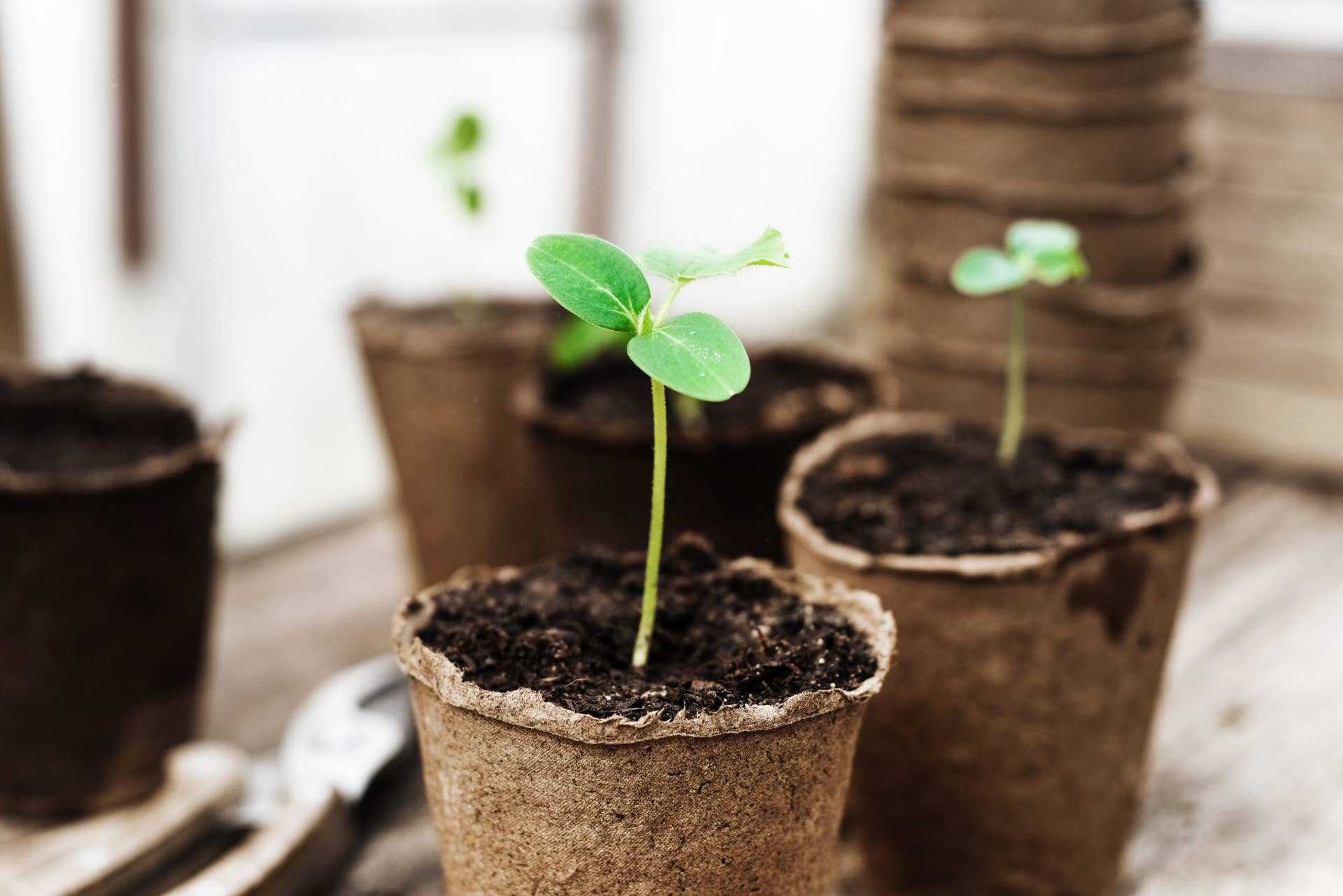
Transplant shock can occur when any plant is moved from its cozy starter cell or small pot out into the wilds of the garden bed. Plants may drop their leaves, turn brown or droop. Growth stalls or stops entirely.
Cucumber seedlings are notorious for wilting dramatically as soon as they are pulled from their pot. Some plants do rebound, but transplant shock sets overall growth and fruit production back significantly. Plants may appear stunted or bear fewer cucumbers later in the season.
What to Do Instead
Here are two different methods for starting cucumber seeds that will help avoid, or at least minimize, transplant shock.
Start Cucumbers Outside
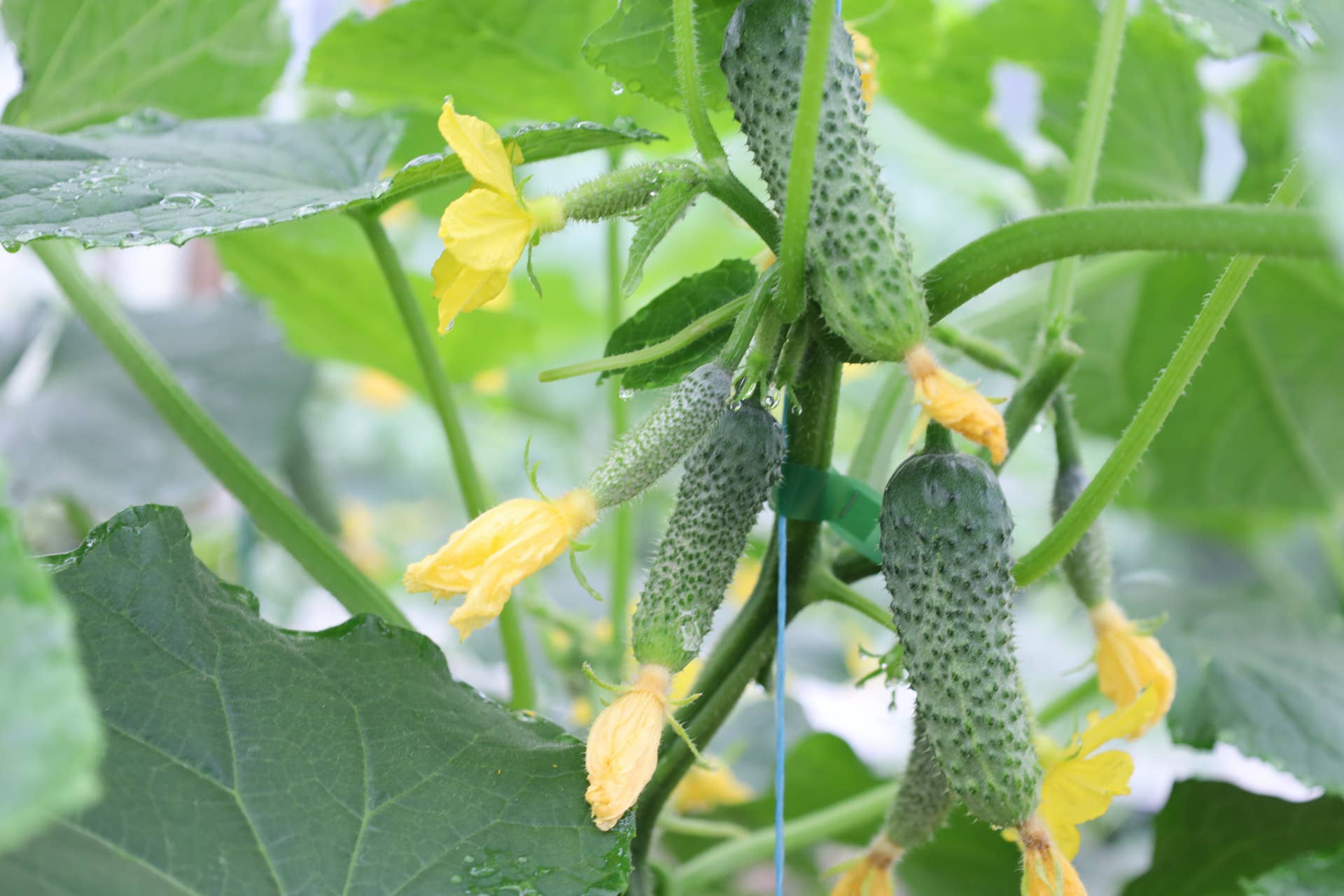
The simplest way to avoid transplant shock? Skip transplanting altogether. Sowing cucumber seeds directly in their final location, whether it be a garden bed or patio planter, allows seedlings to put down roots without being disturbed.
- Wait to sow seeds outside until well after the last frost of the season. Heat-loving cucumbers won’t benefit from an early outdoor start; soil should be at least 65-70°F. As tempting as it may be to get seeds in the ground in early spring, cool soil temperatures lead to poor germination and stunted seedlings. The warmer the better!
- Sow cucumber seeds ½-inch in the soil and space plants 12-15 inches apart. Place two to four seeds in each planting hole, then thin to just one plant per hole once the seeds have germinated and formed one set of true leaves. If the soil is warm enough, cucumber seeds germinate quickly; most emerge in just three-to-seven days.
- If you are growing a vining type of cucumber, you may want to use a trellis to support the plant. Install trellises and stakes shortly after sowing seeds to avoid disturbing the roots of mature plants later on.
Start Cucumbers Indoors in Biodegradable Pots
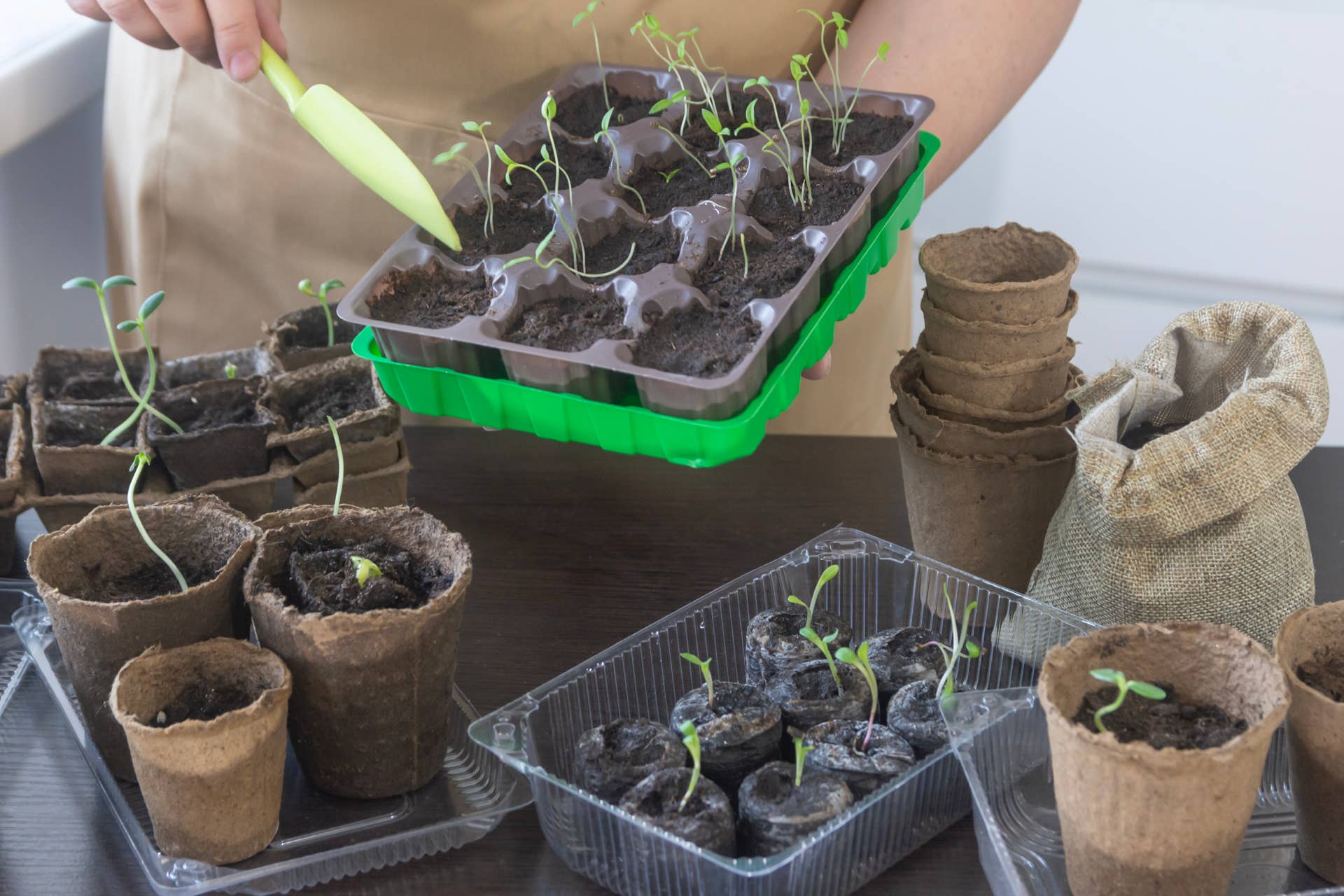
For gardeners with short growing seasons (Hello, Zone 4 grower here!) an indoor headstart can be helpful, if not necessary. With wildly unpredictable spring temperatures and only a few months of warm summer weather, an indoor start can help maximize your short but sweet growing time.
- Use soil blocks or biodegradable peat or paper pots. Trying to wrestle tiny cucumber seedlings out of rigid plastic trays is a surefire way to tear up the roots. If you absolutely need to start seeds indoors, use biodegradable pots or, in the case of soil blocks, no pot at all! When planting day comes, plants will go into the garden bed undisturbed, rootball and all.
- Start cucumber seeds indoors no more than four weeks before planting out in the garden. Starting seeds too early and leaving them languishing in their indoor pots can lead to leggy, stunted plants in the long run.
- Don’t forget to harden off seedlings. Most crops that are started indoors benefit from a gentle transition into the great outdoors. This is referred to as “hardening off”, and it minimizes the effects of transplant shock. Once the daytime temperatures are well into the 60’s, start setting your cucumber seedlings outdoors in a sheltered location for a few hours at a time. After a few days, gradually increase their outdoor time until they are outside for the entire day. Water seedlings regularly; evaporation rates are much higher outdoors than inside. After 7-10 days of acclimating to the wind, sun and fluctuating temperatures, your cucumber seedlings are ready to be moved into the garden for good.
- Make sure your garden bed is prepped and ready for incoming cucumber seedlings. Remove any sneaky weeds and amend the soil with plenty of compost. On planting day, water the bed deeply before planting so the soil is already moist. Creating a hospitable environment will go a long way towards getting your cucumbers off on the right foot (er, root).


