
LONDON — In the high-stakes theater of live television, political fortunes can pivot on a single breath. A sharp remark or an unexpected reaction often transforms a routine debate into a cultural landmark. Such was the case when Nigel Farage faced a cutting challenge from Zack Polanski.
The atmosphere in the studio shifted instantly when Polanski delivered a line designed to wound: “Sit down. You’ve been written off, Nigel.” For a brief, heavy moment, silence filled the room. The audience seemed caught between a gasp and a laugh, waiting for the veteran firebrand’s next move.
Farage, a man whose career has been forged in the fires of controversy and fierce opposition, did not rush his reply. Instead, he remained perfectly still, raised a skeptical eyebrow, and allowed the insult to hang in the air. It was a tactical pause of pure cinematic tension.
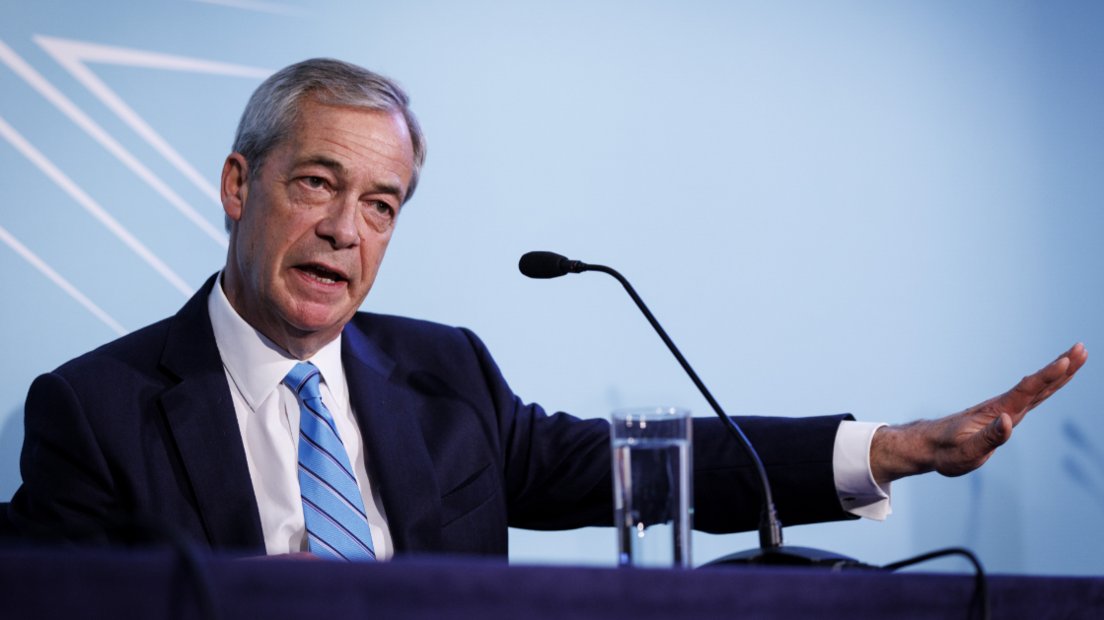
Slowly, Farage picked up his microphone. For decades, he has remained one of the most divisive and recognizable figures in British public life. To his supporters, he is a determined champion for the ignored; to his critics, a provocative force whose style has deepened national and social divisions.
Regardless of one’s political stance, few can deny Farage’s uncanny ability to refuse to disappear. Polanski’s insult was dramatic precisely because it challenged the central narrative of Farage’s life. To say he was “written off” was to strike at the core of his identity as a survivor.
Farage faced Polanski directly, his expression controlled and almost weary, as if he were hearing a very old song. “I’ve been written off many times,” he remarked calmly. He spoke not with outrage, but with the practiced ease of a man who viewed rejection as a credential.
“Commentators and opponents have long believed my voice would simply vanish,” Farage continued. “But politics is not about pleasing the establishment. It is about standing up, being heard, and refusing to surrender your deepest convictions.” The words immediately recalibrated the tone of the entire televised exchange.
What began as an attempt to diminish his stature became an opportunity for Farage to rebrand himself. The audience grew quiet as Polanski, who had delivered his line with visible confidence, appeared momentarily caught off guard. Farage had successfully reframed a personal attack as proof of endurance.
This has always been Farage’s most potent skill. Whether admired or loathed, he understands the power of performance. He knows how to turn criticism into fuel and how to transform institutional rejection into a populist identity that speaks directly to those who feel unrepresented by mainstream parties.
“If being written off means I have spent my life challenging the powerful and speaking for the ignored,” Farage added, “then I will wear that label proudly.” The line drew a visible reaction. Some members of the audience began to applaud, recognizing the undeniable force of the delivery.
Others watched in silence, aware that the exchange had transcended a simple policy argument. It had become a symbolic moment about age, reputation, and resilience. For Farage, the idea of being underestimated is not a burden; it is the very foundation of his long-standing political appeal.
Throughout his career, he has positioned himself as the ultimate outsider fighting against institutions far larger than himself. Even when critics predicted his momentum had finally stalled, he found ways to claw back into the national conversation. This durability has made him a fixture of British media.

Polanski’s attack failed to land as intended because it played directly into Farage’s hands. Instead of making him look finished, it gave him the perfect opening to remind viewers of his durability. Live television rewards composure, and the person who remains calm often controls the emotional room.
Farage seemed to understand this instinctively. By refusing to appear wounded, he shifted the balance of power. The insult became less important than the response itself. The exchange revealed a deeper truth about modern politics: it is as much about identity and emotion as it is policy.
Voters often respond not to a politician’s statistics, but to how they handle immense pressure. In that moment, Farage presented himself not as a man defending a record, but as a figure who had endured years of vitriol and still refused to step aside for his opponents.
For his supporters, it was another example of his perceived strength. For his critics, it was a frustrating reminder of his ability to dominate a media cycle. Polanski’s remark was sharp, but Farage’s reply was far broader, speaking to anyone who has ever felt dismissed or overlooked.
The applause that followed did not necessarily signify ideological agreement. Instead, it was a recognition of a masterclass in timing and self-belief. There are moments in public life where the delivery matters as much as the content, and Farage utilized this moment to its absolute fullest extent.
By the end of the exchange, the studio atmosphere had changed completely. What began as an attempt to put Farage down had transformed into a defiant statement of intent. Polanski’s words were meant to close a door, but Farage used them to open a brand-new one.
In politics, being written off is dangerous, but for some, it is useful. It allows them to claim they are fighting against the odds and to remind their base why they followed them initially. Farage did not merely answer an insult; he delivered a potent political message.
He made it clear that survival is not about being liked or approved by the establishment. Sometimes, it is simply about remaining standing when others expect you to sit down. As the cameras cut away, one thing was certain: Nigel Farage is not ready to be silenced.
The incident highlights the growing chasm between traditional political decorum and the raw, confrontational style that now dominates the airwaves. In this environment, the ability to withstand a public shaming is a form of currency. Farage has spent years accumulating this specific type of political capital.
Critics argue that such moments prioritize theater over substance, leaving voters with little information about actual governance. However, in an era of fragmented attention spans, these viral confrontations are often the only way for a politician to cut through the noise and reach a massive, diverse audience.
Polanski’s strategy reflected a common tactic among younger politicians: the direct, moralizing dismissal. While it often plays well with a base that craves confrontation, it risks backfiring when used against a veteran debater who has made a career out of absorbing and deflecting such high-intensity rhetorical blows.
The fallout from the debate continued to ripple across social media long after the lights dimmed. Clips of the “written off” remark and the subsequent rebuttal garnered millions of views, sparking intense debate over who truly won the night. Both sides claimed victory in their respective digital echo chambers.
For the Green Party, Polanski’s directness represented a new, fearless approach to challenging the old guard. For Farage’s Reform UK, the moment was evidence of a man who remains the most effective communicator on the right. Both interpretations speak to the deeply polarized nature of the current landscape.
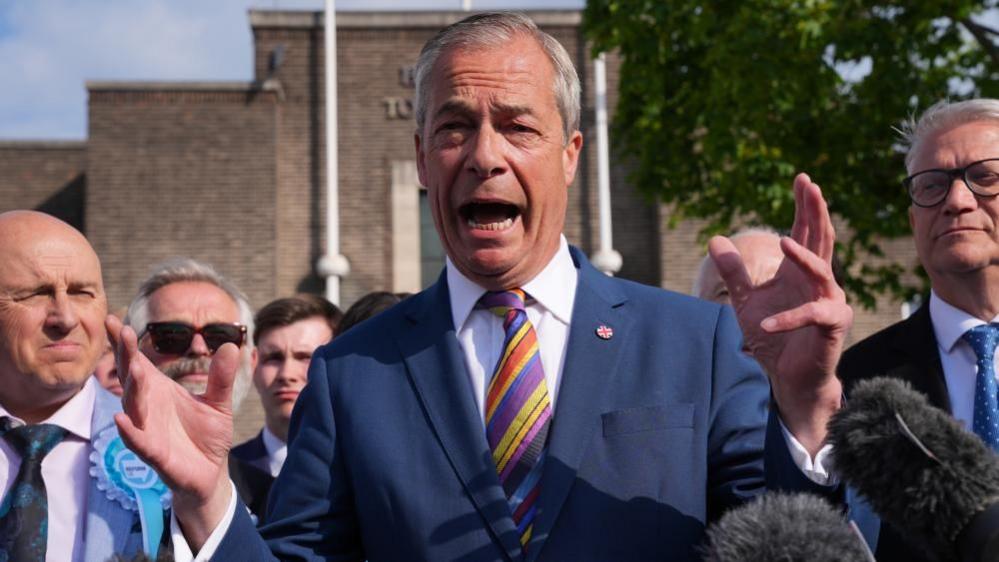
As the 2026 political cycle intensifies, these televised flashpoints will likely become more frequent. They serve as a testing ground for the narratives that will eventually define the coming elections. In this context, Farage’s performance was a signal that he intends to remain a central protagonist.
The resilience of figures like Farage suggests that the “establishment” labels they fight against are still powerful tools for mobilization. As long as a significant portion of the electorate feels ignored, the survivor narrative will continue to resonate, regardless of how many times the individual is dismissed.
Ultimately, the evening was a reminder of the volatility of public perception. A politician can be down one moment and dominant the next, provided they have the skin thick enough to endure the heat. Farage proved once again that he is a master of the televised comeback.
Whether his survival is a benefit or a detriment to British democracy remains a subject of fierce debate. However, his ability to command the stage is undisputed. In the world of political survival, Nigel Farage remains a force that cannot be ignored or easily written off.
The lesson for his opponents is clear: an insult is only effective if the target allows it to be. Farage refused to play the victim, choosing instead to play the architect of his own endurance. It is a performance he has perfected over a long, turbulent career.


