
The Line Has Been Crossed: How the Cody Brothers’ …
The Line Has Been Crossed: How the Cody Brothers’ Bond Shattered in Animal Kingdom’s Explosive Finale

In the gritty underworld of Southern California crime, loyalty was always the one unbreakable rule for the Cody family. For six seasons, the Codys operated as a ruthless yet fiercely protective unit under the iron fist of matriarch Janine “Smurf” Cody. Brothers Pope, Craig, and Deran, along with their nephew J, navigated heists, betrayals, and law enforcement pressure while clinging to the twisted notion of family above all else. But in the series finale, that sacred bond finally shattered beyond repair in a hail of bullets, double-crosses, and heartbreaking decisions that dismantled everything the family had built. Shawn Hatosy’s bone-chilling performance as Pope Cody stood at the center of this violent collapse, delivering one of the most powerful and tragic arcs in the show’s run.
The episode, titled “FUBAR” — an acronym that perfectly captured the chaos — marked the bloody climax of a season defined by escalating tensions and long-simmering resentments. After years of Smurf’s manipulative control, her death left a power vacuum that exposed deep fractures within the family. J, once the vulnerable newcomer, had evolved into a calculated player willing to sacrifice his uncles for personal gain and revenge. The prison break planned to free Pope from custody became the flashpoint where everything unraveled.
What began as a coordinated operation quickly descended into betrayal. J abandoned his uncles Deran and Craig during a fierce shootout with police, leaving them to fight for survival while he pursued his own agenda. The brothers, already battered and bleeding, were forced into desperate measures — including a chaotic convenience store hold-up that ended in tragedy when Craig was fatally shot. In his dying moments, Craig extracted a promise from Deran to raise his young son as his own, a poignant final act of brotherly love amid the carnage.
Hatosy’s portrayal of Pope elevated the entire sequence. Pope, the eldest brother haunted by mental health struggles, guilt over his sister Julia’s death, and years of psychological abuse from Smurf, emerged as both a terrifying force and a deeply broken man. After surviving the initial escape and shootout — even taking bullets while protecting others — Pope’s confrontation with J became the emotional and dramatic centerpiece of the finale. Mortally wounded yet driven by raw fury, Pope tracked down his nephew and unleashed a performance charged with pain, rage, and reluctant clarity.
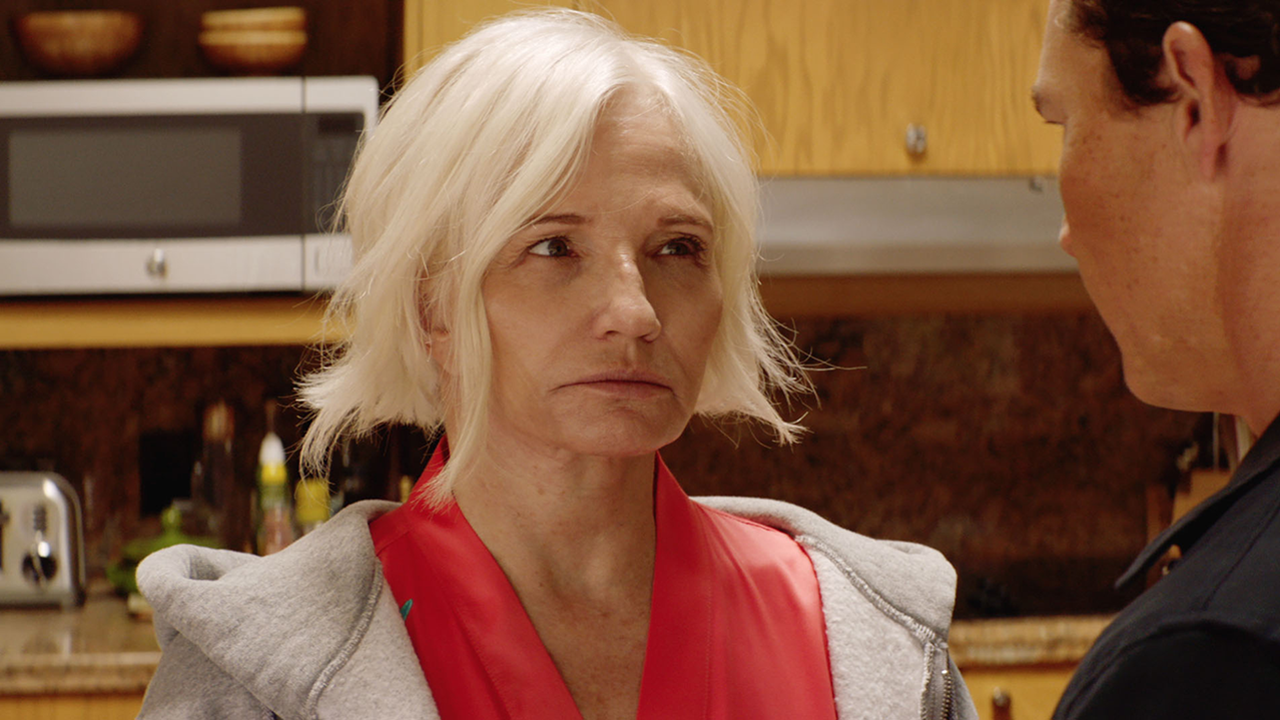
In that final, rain-soaked showdown at the family home, Pope forced a reckoning. He confronted J about the betrayal that nearly cost them all their lives, throwing him into the pool in a visceral echo of past family traumas. Yet even in his rage, Pope showed a flicker of the conflicted humanity that made him such a compelling character. He ultimately spared J’s life, choosing a form of twisted redemption over total destruction. Slumping down by the pool as life drained from him, Pope’s final moments carried the weight of the entire series — a man who spent years seeking control and peace but found only more violence and loss. Hatosy’s subtle shifts from menacing intensity to quiet resignation made the scene devastatingly memorable.
The dismantling of the Cody empire felt complete and irreversible. Craig lay dead, Pope succumbed to his wounds after setting the family house ablaze in a symbolic act of cleansing or surrender, and Deran was left to pick up the shattered pieces alone. J, the architect of much of the chaos, walked away with blood on his hands and the family fortune, but at the steep cost of becoming the very thing he once feared. The hierarchy of the criminal underworld had indeed changed forever — not through a triumphant takeover, but through self-inflicted collapse.
This brutal climax resonated deeply because it stayed true to the show’s core themes. Animal Kingdom, adapted from the Australian film of the same name, always thrived on the corrosive nature of family loyalty when built on crime and manipulation. Smurf’s legacy was one of pitting her sons against each other while demanding absolute obedience. Her absence removed the glue that held the dysfunctional unit together, allowing old wounds — especially those surrounding Julia’s death and the family’s role in it — to tear them apart.
Hatosy brought incredible depth to Pope across all six seasons. Initially introduced as the most volatile and intimidating brother, Pope evolved into a tragic figure whose obsessive-compulsive tendencies, emotional torment, and desperate need for connection made him the show’s unexpected heart. His performance in the finale represented the culmination of that journey: a man finally confronting the consequences of the life he helped build and the family he both protected and failed. Many viewers and critics pointed to Hatosy’s work as the standout element that elevated the series beyond standard crime drama territory.
The finale’s shocking turns left fans reeling. Social media filled with emotional reactions — some praising the Shakespearean tragedy of it all, others expressing frustration at the body count and sense of finality. The decision to end the series with such decisive consequences for the core brothers felt bold in an era where shows often leave doors open for potential revivals. Yet it provided a fitting, if gut-wrenching, conclusion to a story about a family that could never truly escape its own destructive patterns.
Looking back, the entire series built toward this breaking point. From early heists that tested their unity to the internal power struggles that intensified after Smurf’s passing, the Codys were always one major betrayal away from implosion. J’s transformation from outsider to vengeful insider served as the catalyst, but the real rot had been planted years earlier through cycles of abuse, crime, and codependency.
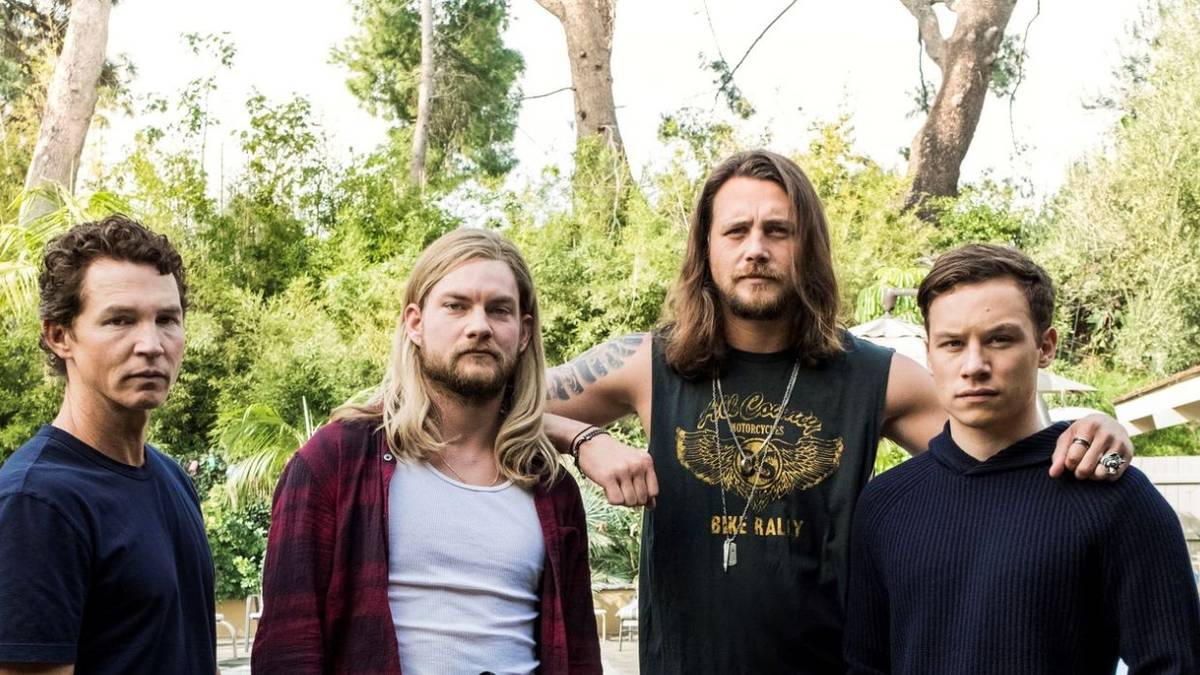
Shawn Hatosy’s commitment to the role shone through every layer of Pope’s complexity — the quiet menace, the sudden outbursts, the rare moments of tenderness, and the final, weary acceptance. His chemistry with the rest of the cast, particularly Finn Cole as J and the other brothers, created believable family tension that made the eventual fracture so impactful. The physicality of the action sequences combined with the raw emotional performances turned the finale into appointment television that fans still discuss years later.
The series’ legacy lies in how it humanized criminals without excusing their actions. Viewers found themselves invested in characters who did terrible things because the show never shied away from showing the personal toll — the paranoia, the fractured relationships, the inescapable past. The finale crystallized this by showing that no amount of money, power, or loyalty could save the Codys from themselves.
Even after the on-screen end, the impact lingered. Renewed interest through streaming has introduced the show to new audiences, many of whom find themselves equally captivated by the intense family dynamics and Hatosy’s magnetic performance. The final image of a burning house and a fractured family serves as a powerful metaphor for the cost of the criminal life they chose.
In the end, the line was not just crossed — it was obliterated. The Cody brothers’ bond, once their greatest strength, became the instrument of their downfall. Through masterful storytelling and standout acting, particularly Hatosy’s tour-de-force turn as Pope, Animal Kingdom delivered a finale that honored its gritty tone while providing cathartic, if painful, closure. The criminal underworld may continue, but the Cody empire as viewers knew it died in that bloody climax — a dismantling as complete and unforgettable as the family itself.
For fans who rode along with the Codys through every heist and heartbreak, the finale remains a testament to the show’s bold vision: sometimes the only way out of a toxic legacy is total destruction, leaving nothing behind but ashes and hard-earned lessons about the true price of blood ties.


