
Donald Trump just dropped an absolute BOMBSHELL, officially stripping the UK of its “foremost ally” title!  In a furious new statement, he completely exposed PM Keir Starmer for backing down when the US military needed them most.
Former President Donald Trump has issued a blistering new critique of UK Prime Minister Keir Starmer, declaring the United Kingdom is no longer America’s foremost ally. The comments came during a wide-ranging press conference where Trump detailed recent military actions against Iran and outlined his vision for international burden-sharing.
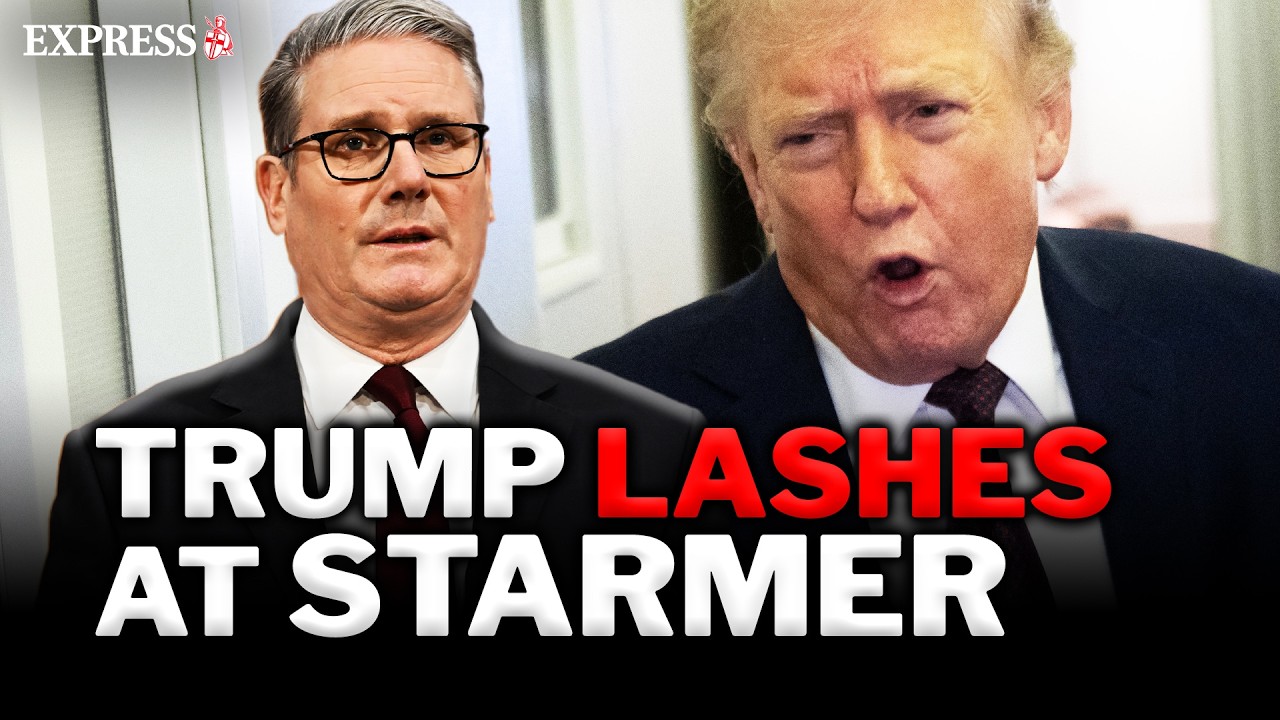
Speaking to reporters, Trump revisited a recent confrontation with the British leader over military support. He recounted telling Starmer, who he described as “reluctant,” that U.S. assistance was needed before a conflict, not after victory was assured. This exchange, according to Trump, highlighted a fundamental shift in the transatlantic partnership.
“The UK was sort of reluctant to put his two aircraft carriers into harm’s way,” Trump stated, referencing a conversation from approximately two weeks ago. “I said, ‘I don’t want them after we win the war. I want them before we start.’” This perceived hesitation forms the core of Trump’s latest grievance with the NATO ally.
Trump’s remarks extended into a broader critique of American foreign policy, arguing the U.S. has shouldered disproportionate military burdens for decades. He specifically targeted the security of key global shipping lanes, questioning why nations like China, which he said gets 90% of its oil through the Strait of Hormuz, do not contribute more to policing them.

“For years it’s like we’ve been maintaining it, doing a great job,” Trump said of U.S. security guarantees. “I think it’s a good thing for other countries to come in.” He framed this as a correction of past “weak leadership,” insisting allies must now protect their own economic interests directly.
The former president delivered these warnings while boasting of what he characterized as a decisive military victory over Iran. He claimed U.S. operations had “essentially defeated” Iran, decimating its manufacturing capability and severely degrading its missile stocks, air force, navy, and air defenses.
“Militarily it’s been amazing,” Trump asserted. “We’ve taken out their leadership times two or three might.” He detailed a strike on Qeshm Island, stating forces left only a minor target standing to demonstrate U.S. capability and restraint, with follow-up actions “locked and loaded” and ready.

Despite the aggressive posture, Trump expressed openness to negotiation with Iran, though he expressed skepticism about their readiness. “They want to negotiate badly, as they should, but I don’t think they’re ready to do what they have to do,” he said, setting a non-negotiable precondition that any deal must start with “no nuclear weapons.”
When pressed by reporters on the potential for a broader regional conflict or the deployment of ground troops, Trump was dismissive. “I’m not talking to people like you about that,” he told one journalist. “I don’t talk about military strategy. Who would answer a question like that?”
The comments regarding the UK’s status mark a significant escalation in Trump’s rhetoric toward the new Labour government. This repeated public admonishment suggests a deliberate strategy to pressure Starmer into committing more robust and immediate military support for U.S.-led initiatives.
Analysts suggest this public downgrading of the “special relationship” could have profound implications for intelligence sharing, diplomatic coordination, and joint military planning. It signals a transactional approach to alliances that would redefine decades of postwar foreign policy consensus.
Trump concluded by reiterating his demand for allied nations to contribute concretely to their own security, particularly in the Middle East. “I really am demanding that these countries come in and protect their own territory because it is their territory,” he stated, framing U.S. presence there almost as a favor to energy-dependent allies.
The White House has not yet issued an official response to Trump’s statements regarding the UK. The British Prime Minister’s office is expected to face intense questioning about the state of the alliance and its implications for ongoing global security challenges in the coming days.


