
The British Monarchy is facing a nuclear constitutional crisis!  Resurfaced footage of Prince William has ignited a global firestorm, with critics accusing the heir of a secret “abdication by deed.”
A firestorm has erupted over the future of the British monarchy following the viral resurfacing of past comments by Prince William, juxtaposed against a heated debate over the royal family’s role as “Defender of the Faith.” The controversy strikes at the constitutional heart of the institution, questioning whether the next king has strayed from the Protestant Christian oath required of the sovereign.
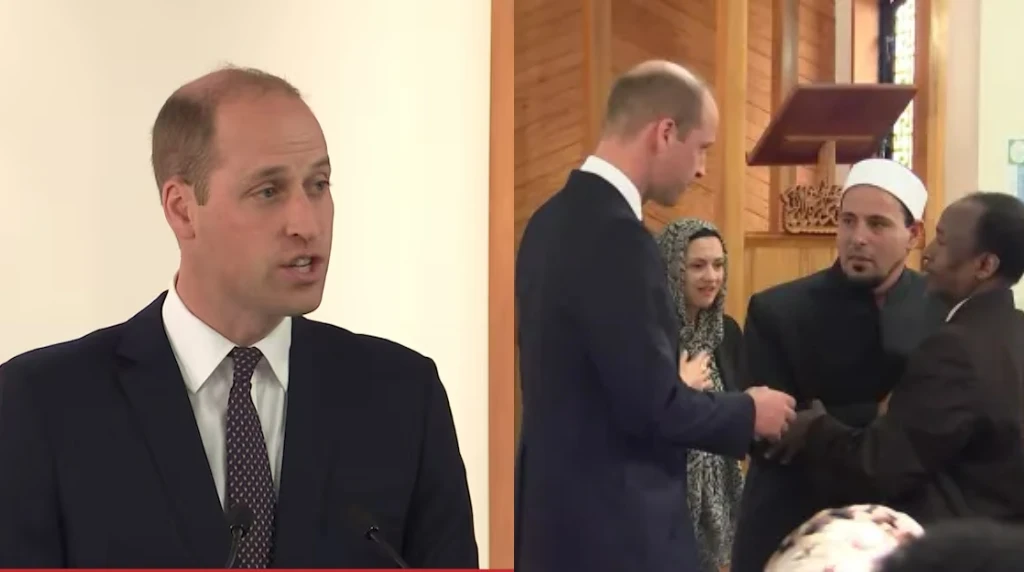
The core issue centers on a years-old clip from Prince William, speaking in the wake of the 2019 Christchurch mosque attacks in New Zealand. In the footage, the Prince of Wales praised the Muslim community, stating, “The Muslim community showed the world the true face of Islam as a religion of peace and understanding.” He added that people of all faiths “can learn a great deal” from how affected families rallied together.
These remarks, now recirculated online, are being framed by critics as evidence the heir apparent shares his father’s perceived interfaith leanings. They are presented alongside incendiary social media commentary accusing William of “ditching Christianity” and being a “defender of the invaders.”
This resurfaced video collides directly with a raging constitutional debate about the monarch’s title. The Coronation Oath, rooted in the 1688 Bill of Rights and Act of Settlement, requires the sovereign to swear to maintain “the Protestant Reformed Religion.” Legal commentators in the viral discourse argue any deviation from this constitutes an “abdication by deed,” a voluntary renunciation of the throne through action.

Pressure has been mounting on King Charles III himself, with critics pointing to events like the broadcasting of the Muslim call to prayer from Windsor Castle during Ramadan. His decision not to record a dedicated Easter message this year has further fueled accusations he is neglecting his role as “Defender of the Faith,” a title held by the monarch since Henry VIII.
Prince William sought to address these tensions head-on just last week, publicly reaffirming his commitment to Christianity in a pre-Easter speech. He spoke of his “own personal faith in Jesus Christ” and described the teachings of Easter as a “foundation of my life.” This was widely seen as a direct effort to calm the growing furor.
Yet, the simultaneous circulation of his older interfaith remarks has created a stark contradiction in the public eye. Analysts suggest this highlights the impossible tightrope modern royals must walk: upholding ancient, explicitly Protestant constitutional duties while leading a profoundly multi-faith nation and engaging in global diplomacy.

The online maelstrom has escalated the conversation beyond mere commentary into a fundamental questioning of the monarchy’s future. With the clip’s resurgence, critics are now asking if Prince William, once king, would face the same accusations of oath-breaking currently directed at his father. The debate has even spurred discussions about abolishing the monarchy altogether in favor of a republic.
Constitutional experts are pushing back, clarifying that while the oath is sacrosanct, the title “Defender of the Faith” is not legally prescriptive on how a monarch engages with other religions. They argue that fostering interfaith harmony is a modern necessity of leadership, not an automatic abdication.
Nevertheless, the political damage may be significant. The controversy taps into deeper societal debates about national identity, immigration, and secularization. It presents a potent narrative for republican movements and has ignited a fierce loyalty test among the monarchy’s traditional supporters.
As the Palace remains silent on the resurfaced video, the crisis continues to unfold in the court of public opinion. The question now is whether Prince William’s recent Christian affirmation will be enough to quell the storm, or if the old footage has permanently cemented a perception of a royal house in conflict with its own foundational vows. The stability of the monarchy’s next generation may hinge on the answer.


